What happens if I get sick before trekking?
Are there medical facilities near the parks
What Happens If I Get Sick Before Gorilla Trekking? A Complete Guide for Travelers
Gorilla trekking is one of the most unforgettable wildlife experiences in Africa, but it is also an activity where traveler health and gorilla conservation must come first. After spending months planning a Uganda safari, booking accommodation, arranging transportation, and securing a gorilla trekking permit, becoming sick shortly before your trek can be extremely stressful.
Many travelers wonder what happens if they develop a fever, flu, cough, stomach problem, respiratory infection, or another illness just before entering the forest. The important thing to understand is that you should not trek while you are unwell, particularly if you have symptoms that could potentially be transmitted to mountain gorillas.
Mountain gorillas are highly susceptible to some human respiratory illnesses because of their close genetic relationship with humans. For this reason, gorilla trekking authorities and guides place strong emphasis on preventing visitors from exposing gorillas to infectious diseases.
If you become sick before your trek, do not simply try to hide your symptoms so that you can continue with your planned activity. Instead, inform your safari operator and guide as soon as possible. Tukumbe Tours & Travel can help you review the situation, communicate with the relevant providers, and explore practical alternatives depending on your circumstances.
Why Is Being Sick a Serious Concern Before Gorilla Trekking?
Gorilla trekking is different from many conventional wildlife activities because visitors enter the natural habitat of habituated mountain gorilla families and spend time relatively close to them.
This creates a potential health risk in both directions. Travelers need to be protected from the forest environment, while gorillas need protection from illnesses that humans may carry.
Respiratory infections are particularly important because diseases such as colds, influenza, and other respiratory illnesses can potentially spread between people and gorillas. Even an illness that seems minor to a traveler can present a conservation concern when interacting with endangered wildlife.
For this reason, protecting the health of mountain gorillas is more important than completing a scheduled trek at all costs.
What Should I Do If I Become Sick Before My Trek?
The first step is to tell your safari operator or guide immediately.
Do not wait until you arrive at the park headquarters or until the morning of your trek if you already know that you are experiencing concerning symptoms.
Explain what you are experiencing and follow appropriate medical advice. Depending on the severity and nature of the illness, you may be advised to rest, seek medical attention, or avoid participating in the trek.
If your symptoms suggest a potentially contagious illness, staying away from the gorillas is particularly important.
Tukumbe Tours & Travel can help communicate with your accommodation, guide, transport provider, and other relevant parties while you focus on your recovery.
Should I Still Go Gorilla Trekking If I Have a Cold?
If you have symptoms of a cold or another respiratory illness, you should not assume that you are fit to trek simply because the symptoms are mild.
A cough, runny nose, sneezing, fever, sore throat, or other respiratory symptoms may create a potential risk to gorillas and other trekkers.
The responsible decision is to disclose your symptoms and seek appropriate guidance before entering the forest.
This is not simply about your ability to complete the hike. It is also about preventing the possible transmission of human illnesses to vulnerable wildlife.
What If I Have a Fever?
A fever should be taken seriously before participating in a gorilla trek.
Rather than attempting to push through the illness, inform your safari operator and seek medical advice. A fever can be associated with a variety of illnesses, and the underlying cause needs to be considered before you undertake a physically demanding trek.
Gorilla trekking can involve several hours of walking through mountainous terrain, steep slopes, muddy trails, and dense forest. Attempting such an activity while sick can make your condition worse and potentially create an emergency far from immediate medical assistance.
Your health should therefore take priority over the scheduled trekking date.
What If I Have a Stomach Problem?
Stomach problems such as diarrhea, vomiting, or severe abdominal discomfort can make gorilla trekking particularly difficult.
The trek may involve several hours in a remote forest environment, and dehydration can become a serious concern if you are experiencing significant fluid loss.
If you have a stomach illness, inform your guide or safari operator and consider seeking medical advice before trekking.
Even if the illness is not contagious to gorillas, your physical condition may make the trek unsafe or extremely uncomfortable.
What If I Have a Cough but Feel Strong Enough to Trek?
Feeling physically strong does not necessarily mean you should enter the forest.
A persistent cough may indicate an infectious respiratory condition. Because of the potential consequences of transmitting human respiratory illnesses to gorillas, symptoms should be reported rather than ignored.
This is one of the situations where responsible tourism requires travelers to think beyond their individual holiday experience.
Missing or postponing a trek can be disappointing, but protecting endangered mountain gorillas is ultimately more important.
Can I Be Refused Permission to Trek If I Am Sick?
Travelers should understand that being physically present with a gorilla trekking permit does not automatically mean you should proceed into the forest when you are visibly ill.
Park authorities, rangers, guides, and tourism operators have conservation and visitor-safety responsibilities. If you show symptoms of an infectious illness, you may be advised not to participate.
The exact response can depend on the nature of your symptoms and the applicable wildlife-management guidance at the time of your visit.
The best approach is therefore to be honest about your condition and cooperate with the guidance provided by the responsible authorities and trekking team.
What Happens to My Gorilla Permit If I Am Sick?
This is one of the biggest concerns for travelers because gorilla permits are a significant part of the cost of a Uganda safari.
Permit cancellation, postponement, or rescheduling is subject to the applicable Uganda Wildlife Authority rules and the circumstances of the booking. Travelers should not assume that becoming sick automatically guarantees a refund or that a permit can always be moved to another date.
This is why it is important to contact your safari operator as soon as possible rather than waiting until the last moment.
Tukumbe Tours & Travel can help you understand the options available under the applicable permit and booking conditions and communicate with the relevant parties on your behalf.
Can My Gorilla Trek Be Rescheduled?
In some circumstances, rescheduling may be possible, but it should never be assumed or guaranteed.
Whether a trek can be moved may depend on factors such as:
- The timing of your request
- The applicable permit conditions
- Availability on another trekking date
- The nature of your illness
- The relevant wildlife authority’s policies
- Your safari operator’s booking arrangements
If you become sick several days before your trek, notify your operator immediately. Early communication provides more opportunity to explore possible alternatives.
What If I Become Sick While Already in Bwindi?
Being in Bwindi does not mean you have to trek if you become unwell.
If you develop symptoms after arriving at your lodge, inform your guide and safari operator. Depending on the circumstances, you may be advised to rest at the lodge and seek medical attention.
This is another reason why travelers should choose accommodation and safari arrangements that provide good logistical support.
Tukumbe Tours & Travel can assist with communication and itinerary adjustments when unexpected situations arise, helping travelers understand what practical alternatives may be available.
What If I Recover Before the Trek?
If your symptoms improve before your scheduled trek, do not automatically assume that you are ready to enter the forest.
Some illnesses may remain contagious even after symptoms begin to improve. You should consider medical advice and the applicable gorilla trekking health guidance before participating.
Your safari operator and trekking authorities should be informed about your condition so that an appropriate decision can be made.
The goal is to balance your travel experience with your own health, the health of other visitors, and the protection of the gorillas.
Why You Should Never Hide Your Symptoms
It can be tempting to hide an illness after investing significant money and time in a gorilla safari.
However, concealing symptoms can have serious consequences.
You could:
- Put gorillas at risk of human disease transmission
- Put other travelers at risk
- Become seriously unwell during a demanding trek
- Require assistance in a remote forest environment
- Create unnecessary difficulties for your trekking group and guides
Responsible travelers understand that wildlife tourism is not simply about getting close to animals. It is also about protecting the animals and their habitat.
Being honest about your health is therefore an important part of responsible gorilla tourism.
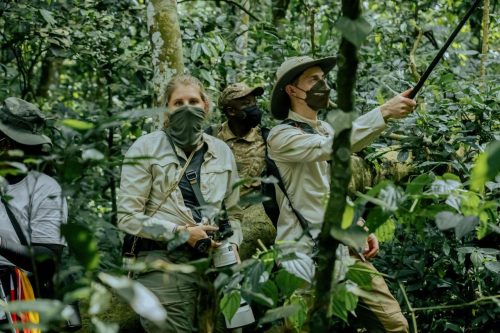
Gorilla Trekking Is Physically Demanding
Even healthy travelers should understand that gorilla trekking can be physically demanding.
Depending on the location of the gorilla family, visitors may walk for several hours through challenging terrain. The forest can contain:
- Steep hills
- Muddy paths
- Uneven ground
- Dense vegetation
- Slippery sections
- Rocky terrain
- Streams
- Thick undergrowth
The duration of a trek can vary significantly depending on where the gorillas are located and the conditions of the forest.
Attempting this experience while sick can make an already demanding activity considerably harder.
What Can Tukumbe Tours & Travel Do If You Get Sick?
Unexpected illness can be particularly stressful when you are traveling in a foreign country. This is where having an experienced safari operator can make a major difference.
Tukumbe Tours & Travel can help travelers navigate unexpected changes by communicating with guides, accommodation providers, transport teams, and relevant tourism authorities where necessary.
Depending on your circumstances and the applicable policies, we can help review your itinerary and discuss possible alternatives.
These may include:
- Adjusting your accommodation arrangements
- Rearranging transportation
- Reviewing your trekking schedule
- Exploring possible permit-related options
- Helping coordinate communication with relevant authorities
- Adjusting other activities in your itinerary
- Helping organize onward travel when necessary
While no tour operator can guarantee a permit refund or rescheduling, having professional support can make an unexpected situation much easier to manage.
What If I Am Too Sick to Trek at All?
Sometimes the safest decision is simply not to trek.
Although this can be emotionally difficult, particularly if you have traveled a long distance specifically to see mountain gorillas, your health and gorilla conservation must take priority.
There may still be other ways to enjoy your time in southwestern Uganda, depending on your condition and itinerary. Once you recover, you can also consider returning to Uganda for another gorilla trekking experience.
A missed trek does not diminish the importance of protecting the gorillas.
How Can Travelers Prepare for Unexpected Illness?
Although nobody can guarantee that they will remain healthy throughout a safari, preparation can reduce the stress associated with unexpected illness.
Before traveling, consider:
Get Appropriate Travel Advice
Speak with a qualified healthcare professional before your trip about your travel plans, general health considerations, vaccinations, medications, and other precautions appropriate for Uganda.
Purchase Travel Insurance
Travel insurance can provide important protection when unexpected illness affects a trip. Before purchasing a policy, carefully check what it covers, including medical treatment, trip interruption, cancellation, and other relevant situations.
Carry Essential Medication
If you regularly use medication, carry an adequate supply and keep it in its original packaging where appropriate. Travelers should also know how to access medical assistance during their safari.
Give Yourself Time to Adjust
Avoid planning an extremely rushed itinerary immediately before your gorilla trek. Having time to rest after international travel can help you begin the trekking portion of your safari in better condition.
Why Health Should Always Come Before the Trek
A gorilla permit represents a valuable opportunity, but it should never outweigh your health or the welfare of the gorillas.
Mountain gorilla conservation depends on responsible interaction between visitors and wildlife. Every traveler has a role to play in minimizing potential disease transmission and respecting conservation rules.
Choosing not to trek while sick is therefore not a failure. It is an example of responsible wildlife tourism.
Final Thoughts
What happens if you get sick before gorilla trekking? The most important thing is to communicate your condition immediately and avoid entering the forest if you may have a contagious illness or are physically unfit for the trek.
Do not hide your symptoms simply because you have already purchased a permit. Seek appropriate medical advice, inform your safari operator, and follow the instructions of your guides and wildlife authorities.
Gorilla trekking is a privilege, and protecting the health of the mountain gorillas is a shared responsibility.
At Tukumbe Tours & Travel, we understand that unexpected situations can happen even after a safari has been carefully planned. Our team can help travelers review their options, communicate with relevant service providers, and make practical adjustments where possible.
Planning a gorilla trekking safari in Uganda? Let Tukumbe Tours & Travel help you organize your gorilla permit, accommodation, transportation, experienced guide, and complete safari itinerary.
Request for A Free Trip Quote
We’d be delighted to help you plan your dream Uganda Gorilla Safari. Simply fill out the inquiry form below, and one of our safari specialists will get back to you with a personalized quote and expert travel advice.
For direct assistance, feel free to contact us by email at info@tukumbetours.com or connect with us on WhatsApp at +256752294116. We look forward to creating an unforgettable African adventure for you