Why Tourists Should Travel During the Low Season
Uganda Travel Advisory for Canadians: What You Need to Know Before Visiting Uganda
Uganda is a remarkable East African destination known for its mountain gorillas, chimpanzees, diverse wildlife, scenic landscapes, national parks and welcoming cultural experiences. For Canadian travellers considering a Uganda safari, however, it is important to understand the latest travel advisory, entry requirements and health considerations before making travel arrangements.
As of September 9, 2026, the Government of Canada advises Canadians to avoid non-essential travel to Uganda because of the regional impact of an Ebola disease outbreak, as well as concerns related to terrorism and high crime rates. Canada also has temporary border measures for travellers who have been in Uganda, the Democratic Republic of the Congo or South Sudan within the previous 21 days.
This advisory does not mean that every part of Uganda presents the same level of risk or that tourism activities have stopped. Rather, it means Canadian travellers should carefully consider the current circumstances, monitor official updates and make informed decisions before travelling.
What Is the Current Canada Travel Advisory for Uganda?
The Government of Canada currently lists Uganda under “Avoid non-essential travel.” Canada explains that this advisory level is used when there are significant risks and advises travellers to consider whether their journey is necessary. The government also notes that conditions can change quickly and that transportation, border crossings and other services may be disrupted in some circumstances.
For Canadians planning a holiday, safari or gorilla trekking experience in Uganda, this means checking the official advisory shortly before departure rather than relying solely on information published months earlier.
Travel advisories are regularly reviewed, so the situation described today may change before your planned safari. The Government of Canada recommends that Canadians travelling abroad continue checking its Travel Advice and Advisories for updates.
Why Has Canada Issued This Advisory?
The current Canadian advisory identifies several areas of concern, including the regional impact of Ebola disease, terrorism and high crime rates.
Health developments are particularly important because Uganda is located in a region where cross-border movement is common. Canada has introduced temporary border measures for travellers who have been in Uganda, the Democratic Republic of the Congo or South Sudan within the previous 21 days. According to the Government of Canada, these measures are scheduled to end on September 28, 2026, at 11:59 p.m. EDT, unless changed or extended.
Canadian travellers should therefore consider not only the conditions during their stay in Uganda but also the requirements that may apply when they return to Canada.
Can Canadians Still Travel to Uganda?
The Government of Canada’s advisory is “Avoid non-essential travel,” not “Avoid all travel.” Canada explains that Level 3 means there are significant risks and that travellers should consider whether their trip is necessary. The decision to travel remains the traveller’s responsibility.
Anyone considering travel should review the latest Canadian advisory, their travel insurance conditions, Uganda’s entry requirements and any health measures that may apply before booking flights or making non-refundable arrangements.
For travellers who decide to proceed, careful preparation is particularly important. This includes arranging reliable airport transfers, choosing established accommodation and safari operators, maintaining communication with someone at home and remaining flexible if conditions change

Entry Requirements for Canadian Travellers to Uganda
Canadian passport holders currently need an electronic visa before travelling to Uganda. The Government of Canada lists tourist, business and transit visas among the visa categories requiring advance application.
Canadian travellers should also ensure that their passports meet the required validity conditions. The Government of Canada currently states that a regular Canadian passport must be valid for at least six months beyond the date you expect to leave Uganda.
Because immigration requirements can change, travellers should verify the latest requirements before departure and use Uganda’s official visa application system rather than relying on outdated travel information
Yellow Fever Requirements for Uganda
Yellow fever is another important consideration for Canadians travelling to Uganda.
The Government of Canada states that there is a risk of yellow fever in Uganda and that proof of yellow fever vaccination is required for travellers from all countries. Vaccination is also recommended for protection against the disease.
Canadian travellers should arrange their yellow fever vaccination well before departure through a designated Yellow Fever Vaccination Centre. Canada advises travellers to carry the original International Certificate of Vaccination or Prophylaxis when travelling internationally.
A pre-travel consultation with a qualified healthcare professional is also useful because health recommendations can depend on your itinerary, activities and individual circumstances.
Health Preparation Before a Uganda Safari
A Uganda safari can involve travelling through cities, rural communities, forests, wetlands and national parks. Travellers should therefore prepare for the specific conditions they may encounter during their itinerary.
Before travelling, Canadians should discuss their Uganda itinerary with a travel-health professional. This is particularly useful if the safari includes activities such as gorilla trekking, chimpanzee tracking, long-distance road travel or visits to remote national parks.
Travellers should also take practical precautions against mosquito bites and maintain good food and water hygiene. The Government of Canada recommends consulting healthcare professionals about destination-specific vaccines and medications before international travel.
Understanding the Ebola Situation
The Ebola situation is an especially important consideration for Canadian travellers at the time of writing.
The Government of Canada states that temporary border measures apply to people entering Canada who have been in Uganda, the Democratic Republic of the Congo or South Sudan during the previous 21 days. Travellers may be assessed upon arrival and required to follow public-health measures, including quarantine. The measures are currently scheduled to end on September 28, 2026, at 11:59 p.m. EDT.
Travellers should check the official Canadian health information immediately before returning home because these requirements may change.
Safety and Security During a Uganda Safari
Canada’s advisory also identifies terrorism and high crime rates as concerns. Canadian travellers should therefore take sensible security precautions throughout their journey.
A professionally organized safari can help with logistics by providing planned transportation, accommodation arrangements and experienced local guides. However, travellers should continue following official security advice and instructions from local authorities.
In cities and busy areas, avoid displaying valuable belongings unnecessarily, remain aware of your surroundings and use reputable transportation services. During safari activities, follow your guide’s instructions, particularly around wildlife.
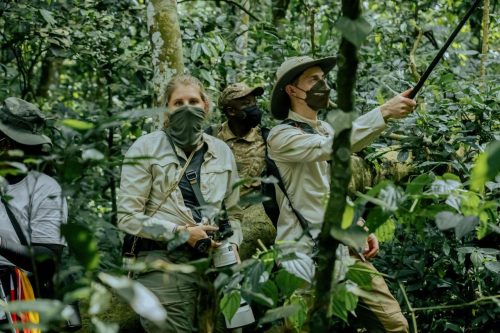
Wild animals should never be approached independently or without guidance. Whether you are tracking gorillas in Bwindi, chimpanzees in Kibale or wildlife in Queen Elizabeth and Murchison Falls National Parks, maintaining a safe distance and following park regulations is essential.

Gorilla Trekking and Travel Advisory Considerations
Uganda’s gorilla trekking experience is one of the country’s major attractions, particularly in Bwindi Impenetrable National Park and Mgahinga Gorilla National Park.
Gorilla trekking is a highly regulated activity. Visitors participate in guided treks and follow established rules designed to protect both travellers and gorillas.
However, Canadians planning a gorilla safari should consider the wider travel advisory when making arrangements. A gorilla permit, international flights, accommodation and other safari services may involve non-refundable payments, so travellers should carefully understand cancellation policies and travel-insurance conditions before paying deposits.
This is especially important while a formal Canadian travel advisory remains in place.
Travel Insurance Is Particularly Important
Travel insurance deserves careful attention when travelling under a government advisory.
The Government of Canada explains that an “Avoid non-essential travel” advisory may affect travel-insurance coverage. If such an advisory is already in place when you book your trip, coverage may be limited or denied depending on the policy.
Canadian travellers should therefore speak directly with their insurance provider before booking. Ask specifically about:
- Medical treatment overseas
- Emergency evacuation
- Trip cancellation
- Trip interruption
- Travel delays
- Government travel advisories
- Epidemic or pandemic exclusions
- Pre-existing conditions
- Safari activities such as gorilla trekking
- Changes caused by border restrictions
Do not assume that a standard travel-insurance policy automatically covers every situation.
Why Canadians Should Monitor the Advisory Before Departure
Travel conditions can change rapidly. An advisory issued several months before your safari may not accurately reflect conditions on the day you depart.
The Government of Canada recommends checking destination advisories regularly.
For Canadians planning a Uganda safari, it is sensible to check:
Several months before travel:
Review Uganda’s travel advisory, passport requirements, visa requirements, vaccination recommendations and insurance conditions.
Before booking non-refundable services:
Confirm the current advisory and understand cancellation and refund policies.
A few weeks before departure:
Review health and security updates and confirm flights and accommodation.
Immediately before departure:
Check the latest Canadian advisory and Uganda entry requirements.
Before returning to Canada:
Check whether any temporary health or border measures apply to travellers arriving from Uganda.
Can You Plan a Uganda Safari With a Professional Tour Operator?
For Canadians who decide that their travel is necessary and proceed in accordance with current official guidance, working with an established local safari operator can simplify the practical side of the journey.
A local operator can coordinate airport transfers, accommodation, safari transportation, park permits, gorilla trekking arrangements and the different components of a multi-day itinerary.
At Tukumbe Tours and Travel, safari itineraries can be organized around experiences such as gorilla trekking, chimpanzee tracking, wildlife viewing and cultural encounters across Uganda. Travellers should nevertheless continue to monitor official Canadian and Ugandan information because no tour operator can eliminate wider travel, health or security risks.
Final Advice for Canadians Planning to Visit Uganda
Uganda offers extraordinary experiences, from gorilla trekking in Bwindi and chimpanzee tracking in Kibale to wildlife safaris in Queen Elizabeth, Murchison Falls, Kidepo Valley and other protected areas.
However, as of September 2026, the Government of Canada advises Canadians to avoid non-essential travel to Uganda, citing the regional impact of Ebola disease, terrorism and high crime rates. Temporary Canadian border measures related to travellers from Uganda are also currently in place until September 28, 2026, unless changed.
Canadians considering a Uganda trip should therefore make their plans using the latest official information, verify visa and vaccination requirements, review travel-insurance coverage and remain prepared for changing circumstances.
For the most current information, Canadians should consult the Government of Canada’s official Uganda Travel Advice and Advisories immediately before making travel decisions.
For a Tukumbe Tours and Travel article, it is also important to add a visible “Last Updated” date and update this page whenever Canada’s Uganda advisory or entry requirements change. That will help keep the article useful and trustworthy for Canadian travellers searching for current Uganda travel information.
Request for A Free Trip Quote
We’d be delighted to help you plan your dream Uganda Gorilla Safari. Simply fill out the inquiry form below, and one of our safari specialists will get back to you with a personalized quote and expert travel advice.
For direct assistance, feel free to contact us by email at info@tukumbetours.com or connect with us on WhatsApp at +256752294116. We look forward to creating an unforgettable African adventure for you