What happens if I cannot find the gorillas
Are mountain gorillas dangerous?
What Should I Wear for Gorilla Trekking? A Complete Guide to Gorilla Trekking Clothing and Gear
Gorilla trekking is one of the most remarkable wildlife experiences in Africa, offering travelers the opportunity to enter the natural habitat of endangered mountain gorillas. However, the experience is very different from a conventional game drive or an easy nature walk. Trekkers may spend several hours hiking through mountainous rainforest, navigating muddy trails, dense vegetation, steep slopes, and changing weather conditions. For this reason, knowing what to wear for gorilla trekking is an essential part of preparing for your safari.
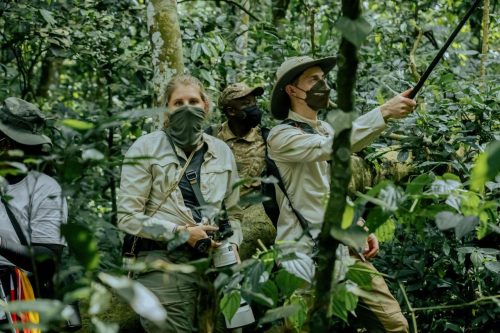
At Tukumbe Tours & Travel, we encourage travelers to think about clothing in terms of comfort, protection, mobility, and weather resistance. The right outfit can help protect you from rain, mud, insects, thorny vegetation, scratches, and cooler temperatures while allowing you to move comfortably through the forest. Because conditions can change during the trek, it is also important to dress in layers and carry additional protection rather than relying on the weather conditions you experience at the start of the day.
Why Is Proper Clothing Important for Gorilla Trekking?
Gorilla trekking takes place in a natural rainforest environment where conditions can change considerably throughout the day. You may begin your trek during a cool morning and later find yourself walking through warm, humid conditions. Rain can arrive unexpectedly, while the forest floor can become muddy and slippery. The terrain may include steep slopes, exposed roots, rocks, narrow trails, thick vegetation, bamboo-covered sections, and wet forest paths. Your clothing therefore needs to provide protection without restricting your movement.
Appropriate clothing also helps protect you from thorny plants, branches, insects, wet vegetation, and minor scratches. More importantly, comfortable clothing allows you to concentrate on the experience itself rather than constantly adjusting uncomfortable shoes, wet clothes, or unsuitable equipment. Gorilla trekking can be physically demanding, so practical clothing is an important part of making the journey safer and more enjoyable.
1. Wear Strong, Waterproof Hiking Boots
A strong pair of hiking boots is arguably the most important item to wear during a gorilla trek. The rainforest trails can become muddy and slippery, particularly following rainfall, while steep sections of the forest require stable and secure footing. Your boots should therefore provide good traction, adequate ankle support, comfortable cushioning, and durable construction. Waterproof or highly water-resistant boots are especially useful because you may encounter wet ground, streams, rain, and vegetation covered with moisture.
The grip of your boots is particularly important when navigating slopes, wet leaves, exposed roots, rocks, and loose soil. Good traction helps you maintain stability as you move uphill and downhill. Ankle support can also provide additional stability when crossing uneven terrain. Ordinary sneakers, sandals, and open shoes are generally unsuitable because they provide less protection and may not offer sufficient grip for challenging forest conditions.
It is equally important to break in your hiking boots before your safari. Wearing completely new boots for the first time on the day of your gorilla trek can result in painful rubbing and blisters. Wear them during several walks or hikes beforehand so your feet can adjust and you can identify any pressure points. Comfortable, well-tested footwear can make a considerable difference during a long day in the forest.
2. Wear Long, Durable Trekking Trousers
Long trekking trousers are strongly recommended because they provide an important layer of protection for your legs. Gorilla habitats contain dense vegetation, vines, branches, insects, and occasionally thorny plants. As you move through the forest, your trousers can help reduce direct contact between your skin and the surrounding vegetation. They can also provide protection from mud, wet vegetation, minor scratches, and cooler conditions.
Choose trousers that are lightweight, breathable, durable, flexible, and quick-drying. They should allow you to take long steps, climb slopes, bend your knees, and move around obstacles without restriction. Very tight trousers can become uncomfortable during several hours of hiking, while extremely heavy trousers may cause overheating. Hiking or cargo trousers with secure pockets can also be useful for carrying small personal items, although valuable equipment should preferably remain secured inside your daypack.
Although shorts may seem attractive in warm weather, they leave your legs exposed to insects, branches, thorny vegetation, and wet plants. Long trousers are therefore a more practical choice for the rainforest environment. Some trekkers also prefer to tuck their trousers into their socks as an additional precaution against insects or vegetation entering around the ankles.
3. Wear a Long-Sleeved Trekking Shirt
A lightweight, long-sleeved trekking shirt provides protection for your upper body while allowing you to remain comfortable during physical activity. As you move through dense forest, branches, vines, and vegetation can come into contact with your arms. Long sleeves create a useful protective barrier against scratches, insects, wet leaves, and excessive exposure to the sun.
The ideal shirt should be breathable and capable of managing moisture. Technical hiking fabrics are particularly useful because they generally dry more quickly than heavy cotton. This can be important when you are sweating during an uphill section or when light rain passes through the forest. A wet shirt can become uncomfortable, so quick-drying materials are preferable for a long trekking day.
Heavy cotton shirts may be less practical because cotton absorbs moisture and can remain wet for a considerable period. A lightweight synthetic or technical outdoor shirt gives you greater flexibility and is better suited to the changing conditions encountered during gorilla trekking.
4. Bring a Waterproof Rain Jacket
A waterproof rain jacket should be considered essential gorilla trekking equipment. Mountain rainforest weather can change rapidly, and a morning that begins with sunshine can develop into rain later in the trek. Because you may be several hours away from your starting point when the weather changes, it is important to carry rain protection with you at all times.
Choose a jacket that is waterproof, lightweight, breathable, and easy to pack. A hood is particularly useful because it provides additional protection for your head and face during rainfall. The jacket should also fit comfortably over your other layers without restricting your movement. Avoid carrying a heavy winter-style coat because it can become uncomfortable and cause overheating during strenuous hiking.
Keep your rain jacket somewhere easily accessible in your daypack. It should not be buried underneath other equipment because rainfall can begin suddenly. Being able to put it on quickly can keep you considerably more comfortable when conditions change.
5. Consider Waterproof Trekking Trousers
Waterproof trousers can provide another valuable layer of protection during particularly wet conditions. They are especially useful when walking through wet vegetation, tall grass, rain-soaked trails, muddy sections, and dense undergrowth. They can normally be worn over your regular hiking trousers when conditions require additional protection.
The most important consideration is choosing waterproof trousers that remain comfortable while walking. They should not be excessively heavy, restrictive, or difficult to move in. If the weather is dry, you may prefer to keep them packed in your daypack and use them only when necessary.
6. Wear Comfortable Hiking Socks
Hiking socks may seem like a minor detail, but they can have a major effect on your comfort during a long trek. The right socks can reduce friction, help manage moisture, provide cushioning, and reduce the likelihood of developing blisters. This is especially important when you are walking for several hours in sturdy hiking boots.
Choose socks that fit properly and provide appropriate cushioning without making your boots too tight. Moisture-managing hiking socks are generally more suitable than ordinary thin cotton socks. It is also wise to carry at least one spare pair in a waterproof bag. If your feet become wet from rain or waterlogged vegetation, changing into dry socks can significantly improve your comfort for the remainder of the trek.
7. Wear a Lightweight Fleece or Warm Layer
Although gorilla trekking takes place in tropical rainforest, mountain gorilla habitats are located at relatively high elevations, meaning that mornings and shaded areas can sometimes feel surprisingly cool. A lightweight fleece, sweater, or similar warm layer can therefore be useful, particularly before the trek begins.
A lightweight layer is preferable to a very heavy jacket because gorilla trekking involves physical exertion. Once you begin climbing and walking, your body temperature will usually increase. Having a removable warm layer allows you to adapt easily as the temperature changes throughout the morning.
8. Consider a Lightweight Base Layer
Travelers who are more sensitive to cooler temperatures may benefit from wearing a lightweight thermal or moisture-wicking base layer. A base layer provides additional warmth without requiring a heavy jacket and can help regulate body temperature while you are moving through the forest.
The key is to avoid excessive layering. Gorilla trekking is physically active, and wearing too many heavy layers can lead to overheating. A lightweight base layer combined with a fleece and waterproof outer layer provides greater flexibility because you can remove or add layers depending on the conditions.
9. Wear Lightweight Gloves
Lightweight trekking or gardening gloves can be useful when moving through dense vegetation. Your hands may come into contact with branches, rough surfaces, thorny plants, or muddy terrain, particularly when you need to steady yourself while walking. Gloves can provide a useful layer of protection against minor scratches and can also improve grip in some situations.
Choose gloves that are flexible rather than bulky. You still need to be able to handle your camera, water bottle, and other equipment comfortably. Gloves should never encourage you to pull, break, or unnecessarily handle vegetation. Always follow the instructions of your ranger and guide when moving through the forest.
10. Wear a Hat or Cap
A lightweight hat or cap can provide useful protection from direct sunlight, light rain, and water dripping from vegetation. Although much of your trek may take place beneath the forest canopy, you may pass through open areas where sunlight is stronger.
Choose a hat that is lightweight, comfortable, and secure enough to remain in place while walking. A hat with a suitable brim can also provide additional protection for your face and eyes. However, it should not obstruct your vision or interfere with photography equipment.
11. Use Appropriate Insect Protection
Rainforest environments support a wide variety of insects, so protecting exposed skin is an important part of preparing for your trek. Long-sleeved shirts and long trousers provide a physical barrier, while an appropriate insect repellent can offer additional protection.
When using insect repellent, always follow the product instructions and apply it appropriately. Travelers should also consider the recommendations provided by their safari team, particularly because conditions can vary between destinations and seasons. Good clothing does not eliminate the need for sensible insect protection, but it can significantly reduce the amount of exposed skin.
12. Choose Neutral and Practical Colors
When selecting your gorilla trekking clothes, natural and neutral colors are generally a practical choice. Khaki, brown, green, beige, grey, and dark blue are suitable options for a forest environment and are less visually prominent than extremely bright or fluorescent colors.
However, color should not be your main concern. Comfort, durability, weather protection, and freedom of movement are much more important. Your clothing should be suitable for getting wet or muddy and should allow you to move comfortably through the forest.
13. Carry a Lightweight Daypack
A comfortable daypack allows you to carry essential supplies without placing unnecessary weight on your shoulders. Because the trek may last several hours, carrying a large or heavy backpack can make the experience more tiring than necessary.
Your daypack should contain essential items such as drinking water, snacks, a rain jacket, extra socks, a camera or phone, insect repellent, sunscreen, personal medication, small first-aid supplies, and waterproof bags. Choose a backpack with comfortable shoulder straps and, if possible, a chest or waist strap that helps distribute the load. A rain cover is also highly recommended to protect the contents of your bag.
14. Protect Your Camera and Electronics
Rainforest conditions can be wet and humid, making protection of electronic equipment particularly important. Cameras, smartphones, batteries, and other devices should be protected from rainfall and moisture throughout the trek.
Waterproof pouches, dry bags, protective camera covers, and backpack rain covers can help reduce the risk of water damage. Keep spare batteries and power banks protected from moisture as well. If you are carrying a camera for gorilla photography, keep it accessible but secure, allowing you to use it without unnecessary movement or disturbance when you are near the gorilla family.
15. Dress in Layers Rather Than Wearing One Heavy Outfit
Layering is one of the most effective ways to prepare for changing rainforest conditions. Instead of wearing one heavy jacket, use a lightweight base layer, a fleece or light sweater as a middle layer, and a waterproof rain jacket as your outer layer.
This approach gives you much greater control over your comfort. If the morning is cold, you can keep all your layers on. As you begin climbing and become warmer, you can remove the fleece. If rain begins, you can put the waterproof jacket back on. Layering is therefore more flexible and practical than relying on a single heavy garment.
What Should You Wear for Gorilla Trekking in Uganda?
Uganda’s main gorilla trekking destinations include Bwindi Impenetrable National Park and Mgahinga Gorilla National Park. Both destinations feature mountainous rainforest environments, although exact trekking conditions can vary depending on the sector, route, weather, and location of the gorilla family.
Travelers should prepare for steep slopes, dense vegetation, mud, rain, humidity, cooler temperatures, and uneven ground. A strong pair of hiking boots, long trousers, a long-sleeved shirt, rain protection, and layered clothing are therefore practical choices. Being prepared for changing conditions is more important than dressing according to a fixed assumption about the weather.
What Should You Wear for Gorilla Trekking in Rwanda?
Gorilla trekking in Rwanda takes place in Volcanoes National Park in the mountainous Virunga region. The high-altitude environment can produce cooler temperatures, while rainfall can make trails wet and muddy.
A practical outfit should include waterproof hiking boots, long trekking trousers, a breathable long-sleeved shirt, a waterproof jacket, a warm fleece, comfortable hiking socks, and lightweight gloves. Your final clothing choices should take into account the season and the weather conditions expected during your visit.
What Should You Wear During the Rainy Season?
Gorilla trekking during wetter periods requires additional preparation. Waterproof hiking boots, a waterproof jacket, waterproof trousers, moisture-wicking clothing, extra socks, and a backpack rain cover can help protect you from the effects of persistent rainfall. Waterproof bags are also useful for protecting cameras, phones, documents, and other sensitive items.
Rain can make forest trails significantly more slippery, so footwear with strong traction becomes particularly important. Travelers should also remember that the forest may remain wet even after rainfall stops. Leaves, branches, grass, and other vegetation can continue to transfer water onto your clothing as you move through the forest.
What Should You Wear During the Dry Season?
The dry season does not mean that you should leave your rain jacket behind. Gorilla trekking takes place in rainforest environments, where rainfall can occur even when the general weather pattern is relatively dry.
A practical dry-season outfit includes sturdy hiking boots, lightweight long trousers, a breathable long-sleeved shirt, comfortable hiking socks, a hat, and a lightweight fleece. A packable waterproof jacket should remain in your backpack so that you are prepared if conditions change unexpectedly.
What Should You Avoid Wearing for Gorilla Trekking?
Choosing the wrong clothing can make a physically demanding trek unnecessarily difficult. Open sandals and flip-flops should be avoided because they provide inadequate protection and poor traction on muddy, steep, and uneven trails. High heels are completely unsuitable for mountain rainforest trekking, while very short clothing provides less protection against insects and vegetation.
Extremely tight clothing can restrict movement, while excessively heavy clothing can contribute to overheating and fatigue. Brand-new hiking boots should also be avoided because they may cause painful blisters before your feet have had time to adjust. Large jewelry, dangling accessories, and unnecessary scarves can catch on vegetation and are best left behind.
Should You Hire a Porter for Gorilla Trekking?
Hiring a porter can be a useful option where porter services are available, particularly for travelers carrying camera equipment, larger personal items, or those who would prefer additional assistance on steep terrain. A porter can carry your backpack and belongings, allowing you to focus more fully on walking and enjoying the forest experience.
Using a porter can also contribute directly to local communities surrounding protected areas by providing income opportunities. If you are interested in hiring one, your safari operator or park staff can explain the available arrangements and how the service works at your trekking destination.
What Other Gear Should You Carry?
Clothing is only one part of preparing for a successful gorilla trek. You should also carry enough drinking water to remain hydrated, high-energy snacks for additional fuel, personal medication, insect repellent, sunscreen, a camera, spare batteries, a waterproof phone pouch, extra socks, small first-aid supplies, tissues, hand sanitizer, and rain protection.
The key is to balance preparedness with weight. Carry the items you genuinely need, but avoid filling your backpack with unnecessary equipment. Organize your bag so that important items such as your rain jacket, water, and camera protection can be reached quickly.
How Much Clothing Should You Pack?
You do not need an excessive amount of clothing for your gorilla trek. Instead, concentrate on versatile outdoor clothing that can be layered and adapted to different conditions. For the actual trekking day, your priority should be comfortable hiking boots, long trekking trousers, a long-sleeved shirt, hiking socks, a rain jacket, a lightweight warm layer, gloves, and a hat or cap.
Keep additional clean clothing at your accommodation rather than carrying it throughout the trek. If your trekking clothes become wet or muddy, you can change once you return to your lodge or hotel.
Should You Wear Perfume or Strong Scents?
It is best to avoid unnecessary strong perfumes, heavily scented lotions, or other powerful fragrances when participating in wildlife activities. Gorilla trekking takes place in the animals’ natural environment, so travelers should make every effort to follow responsible wildlife-viewing practices and minimize unnecessary disturbances.
Your ranger and guide will provide instructions on appropriate behavior before and during the trek. These instructions should always be followed because they are designed to protect both visitors and wildlife.
Should You Wear Makeup During Gorilla Trekking?
Heavy makeup is generally unnecessary during a physically demanding rainforest trek. Several hours of walking, humidity, sweat, and possible rainfall can make cosmetics uncomfortable and difficult to maintain.
For most travelers, practical skincare, sunscreen, and personal hygiene are more useful priorities. The focus of the day should be comfort, protection, and enjoying the extraordinary rainforest environment rather than maintaining a formal appearance.
What Should You Wear After the Gorilla Trek?
After several hours in the forest, it is normal for your clothing and footwear to be muddy, wet, or sweaty. Having clean clothes available at your accommodation can make the end of the trekking day much more comfortable.
Consider preparing clean trousers, a fresh shirt, dry socks, comfortable shoes, and a warm layer. Changing out of wet trekking clothes as soon as practical can help you feel refreshed after a physically demanding day.
Gorilla Trekking Clothing Checklist
Before your trek, make sure you have the essential clothing and equipment prepared. Your main clothing should include waterproof hiking boots, long trekking trousers, a breathable long-sleeved shirt, comfortable hiking socks, a waterproof rain jacket, a lightweight fleece or sweater, lightweight gloves, and a hat or cap.
Additional useful items include extra socks, waterproof trousers, a backpack rain cover, a lightweight daypack, insect repellent, sunscreen, drinking water, energy snacks, personal medication, waterproof protection for your phone or camera, and small first-aid supplies.
Essential Tips for First-Time Gorilla Trekkers
First-time trekkers should test their hiking boots before the safari, prepare for rain regardless of the forecast, dress in layers, keep their backpack light, and protect electronic equipment from moisture. It is also important to accept that your clothing and boots may become muddy during the trek. Gorilla trekking takes place in a natural forest, so practical clothing is much more valuable than trying to keep your outfit perfectly clean.
Most importantly, listen carefully to your guide and ranger. They understand the terrain, trekking procedures, and wildlife environment. Following their instructions helps you navigate the forest safely and supports responsible gorilla tourism.
Final Thoughts: What Should I Wear for Gorilla Trekking?
Knowing what to wear for gorilla trekking is an important part of preparing for a successful safari. The right clothing can improve your comfort, protect you from changing weather and forest conditions, and help you move confidently through challenging terrain.
The most important items are sturdy waterproof hiking boots, long trekking trousers, a breathable long-sleeved shirt, comfortable hiking socks, a waterproof rain jacket, and a lightweight warm layer. These essentials provide a practical foundation for dealing with mud, rain, vegetation, cooler temperatures, and long periods of walking.
However, clothing alone does not determine the quality of your gorilla trekking experience. Physical preparation, patience, suitable equipment, respect for wildlife, and willingness to follow the guidance of your ranger and guide are equally important.
At Tukumbe Tours & Travel, we believe that proper preparation allows travelers to focus on what truly matters: the rainforest, the wildlife, the conservation story, and the unforgettable opportunity to encounter mountain gorillas in their natural habitat.
Gorilla trekking can be challenging, wet, muddy, and physically demanding, but these conditions are part of what makes the experience authentic. Dress for the forest, prepare for changing weather, choose practical gear, and enter the rainforest ready for one of Africa’s most extraordinary wildlife adventures.
Request for A Free Trip Quote
We’d be delighted to help you plan your dream Uganda Gorilla Safari. Simply fill out the inquiry form below, and one of our safari specialists will get back to you with a personalized quote and expert travel advice.
For direct assistance, feel free to contact us by email at info@tukumbetours.com or connect with us on WhatsApp at +256752294116. We look forward to creating an unforgettable African adventure for you