Rwanda Gorilla Trekking : Why Travelers Are Booking Earlier Than Ever
Gorilla Naming Ceremony in Rwanda: The Story Behind Kwita Izina
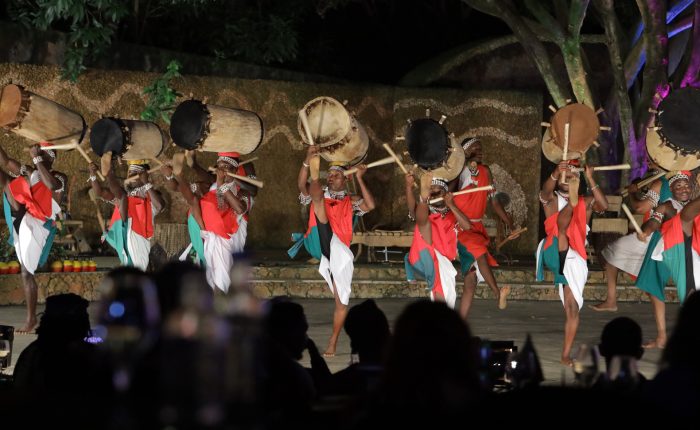
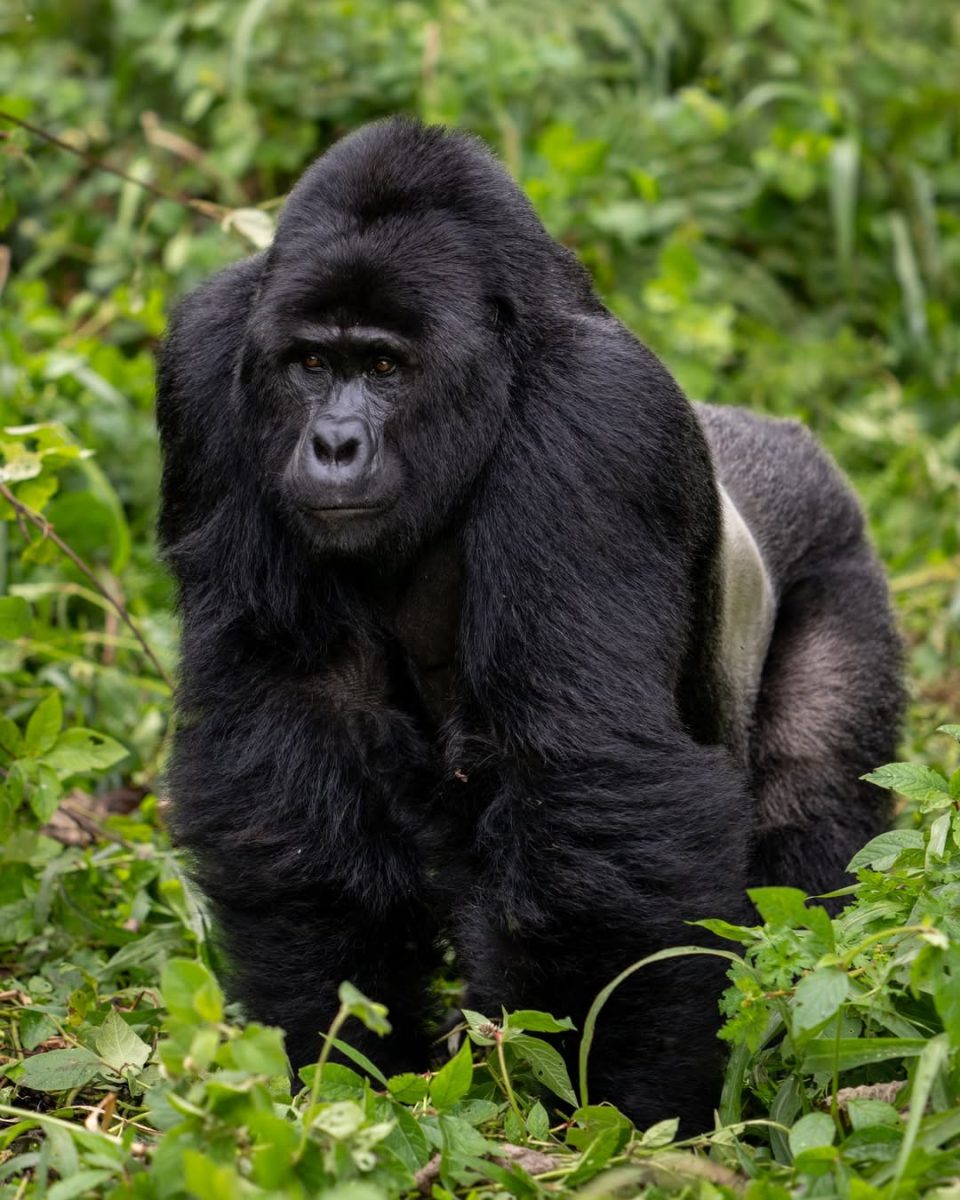
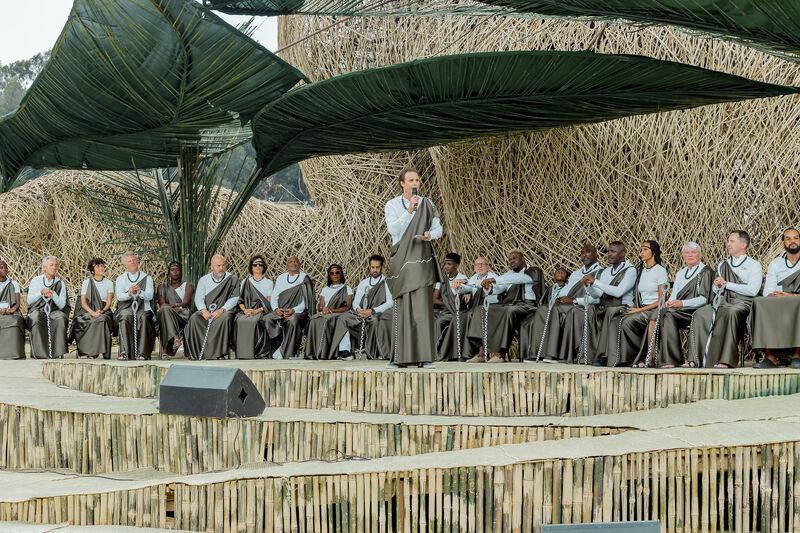
Rwanda’s Gorilla Naming Ceremony, known as Kwita Izina, is one of Africa’s most distinctive celebrations of wildlife conservation, culture, and community. Held near the foothills of Volcanoes National Park in Kinigi, the event brings together conservationists, local communities, tourism stakeholders, researchers, rangers, international guests, and prominent figures to celebrate newly born mountain gorillas and the people working to protect them. Rwanda held the 21st Kwita Izina ceremony on 4 September, where 22 baby mountain gorillas were officially named.
For travelers interested in gorilla trekking, understanding Kwita Izina provides a deeper appreciation of Rwanda’s approach to conservation. The ceremony is not simply an event for giving names to baby gorillas. It represents a broader connection between wildlife protection, Rwandan culture, tourism, scientific research, and the communities living around gorilla habitat.
What Is Kwita Izina?
Kwita Izina means “to give a name” in Kinyarwanda. The ceremony is inspired by a centuries-old Rwandan tradition in which newborn children are named in the presence of family and community members. Rwanda adapted this cultural tradition to celebrate its mountain gorillas and emphasize the value of protecting them.
The official annual ceremony began in 2005 and has developed into an internationally recognized conservation event. Before the formal ceremony was introduced, park rangers and researchers had already been giving names to gorilla babies for decades as part of identifying and monitoring individual animals within their family groups and habitats.
Today, Kwita Izina provides an opportunity to celebrate those individual gorillas while recognizing the wider conservation system that protects them.
Where Is the Gorilla Naming Ceremony Held?
The main ceremony takes place in Kinigi, Musanze District, at the foothills of Volcanoes National Park in northern Rwanda. This location is significant because Volcanoes National Park is home to Rwanda’s mountain gorillas and is one of the country’s most important destinations for gorilla trekking.
The dramatic volcanic landscape surrounding Kinigi creates a meaningful setting for the event. Visitors can experience the connection between the ceremony and the natural environment where the gorillas live, while the surrounding communities play an important role in the wider conservation story.
For travelers visiting Rwanda for gorilla trekking, the area around Kinigi is therefore more than simply a starting point for a forest trek. It is part of a landscape where conservation, tourism, culture, and community development are closely connected.
Why Are the Gorillas Given Names?
Giving individual gorillas names has an important practical purpose as well as cultural significance. Researchers, trackers, veterinarians, and conservation teams need to identify individual animals so they can monitor their health, behavior, family relationships, movements, and development over time.
A name makes it easier for conservation professionals to distinguish one gorilla from another and maintain detailed records. It can also help communicate information about a particular animal to researchers and the wider conservation community.
At the same time, the naming tradition helps people form a stronger emotional connection with mountain gorillas. Instead of seeing them only as members of an endangered species, people can recognize individual animals and follow their stories as they grow
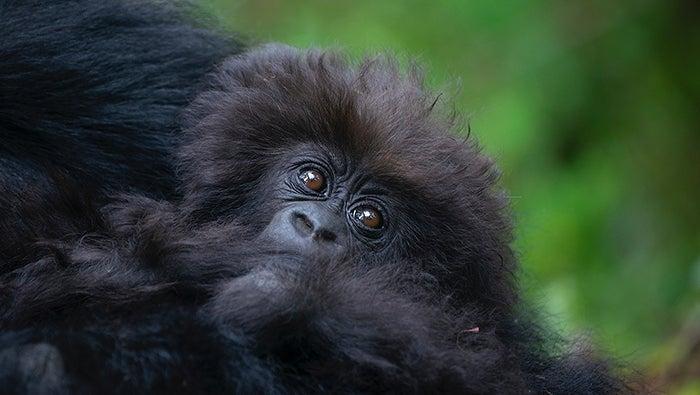
Kwita Izina Celebrates More Than Gorillas
One of the most important aspects of Kwita Izina is that the ceremony recognizes the people behind gorilla conservation. Rangers, trackers, veterinary professionals, researchers, local communities, conservation organizations, tourism operators, and government institutions all contribute to protecting the gorillas and their habitat.
The 2026 ceremony brought together communities, conservationists, partners, and guests from Rwanda and around the world. The event’s theme, “Conservation is Life: Sustaining the Future,” emphasized the connection between protecting nature and creating a sustainable future.
This broader focus makes Kwita Izina an important example of how wildlife conservation can involve many different parts of society rather than being limited to national parks or research institutions
The Role of Local Communities in Gorilla Conservation
Gorilla conservation cannot succeed without the support of communities living around protected areas. People living near Volcanoes National Park interact with the landscape every day, making their involvement essential to long-term protection of the forest and wildlife.
Rwanda’s Tourism Revenue Sharing Programme is one example of how tourism is connected to community development. According to the Rwanda Development Board, 10% of national park tourism revenues are reinvested in communities surrounding protected areas. The programme has supported projects involving schools, health facilities, water infrastructure, and livelihoods.
This approach helps demonstrate why responsible tourism matters. When communities see tangible benefits from conservation and tourism, there can be stronger incentives to support the protection of wildlife and natural habitats.
How Gorilla Tourism Supports Conservation
Gorilla trekking is one of Rwanda’s most important wildlife tourism experiences, and the revenue generated through tourism contributes to the broader conservation system. Visitors who travel to Volcanoes National Park are therefore participating in an economic model in which tourism and wildlife protection are connected.
The relationship goes beyond paying for a trekking permit. Travelers also spend money on accommodation, transportation, restaurants, guides, local services, and other tourism activities. These economic activities create opportunities for people living around major tourism destinations.
For this reason, choosing responsible tourism operators and respecting park regulations can contribute to a more sustainable travel experience.
Kwita Izina and the Recovery of Mountain Gorillas
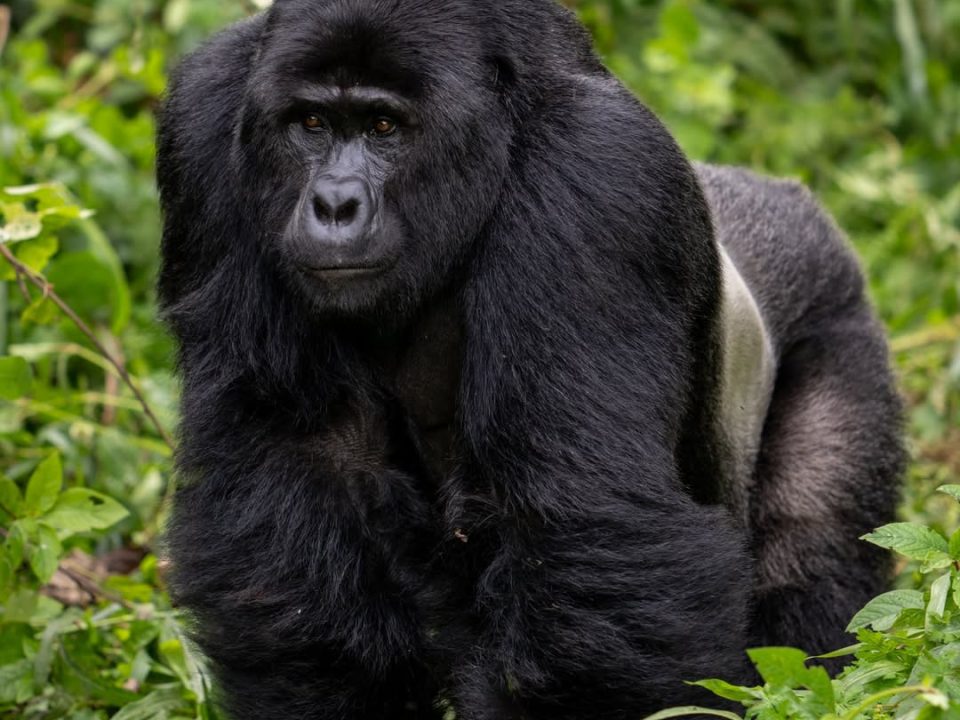
The story behind Kwita Izina is particularly meaningful because it reflects the progress made in mountain gorilla conservation. Rwanda’s official 2026 information states that more than 1,060 mountain gorillas now live in the wild across the Virunga Massif and Bwindi ecosystem, following decades of work involving governments, researchers, conservation organizations, veterinarians, rangers, and local communities.
This progress demonstrates the importance of long-term conservation. Protecting mountain gorillas requires consistent monitoring, veterinary care, habitat protection, responsible tourism, community engagement, and international cooperation.
The annual naming ceremony provides an opportunity to celebrate this progress while reminding people that conservation work must continue.
What Makes Kwita Izina Special for Travelers
For travelers, Kwita Izina offers an opportunity to understand the cultural and conservation story behind Rwanda’s gorilla tourism. A gorilla trek already provides an extraordinary wildlife experience, but learning about the naming ceremony can make the journey even more meaningful.
Travelers can appreciate that the gorillas they encounter are part of closely monitored families and that their protection involves a large network of people. The experience can also encourage visitors to think beyond photography and sightseeing and consider how their tourism choices influence conservation and local communities.
Although attending the official naming ceremony requires planning around the event schedule, travelers can experience the wider gorilla conservation story throughout the year by visiting Volcanoes National Park and learning about Rwanda’s conservation initiatives.
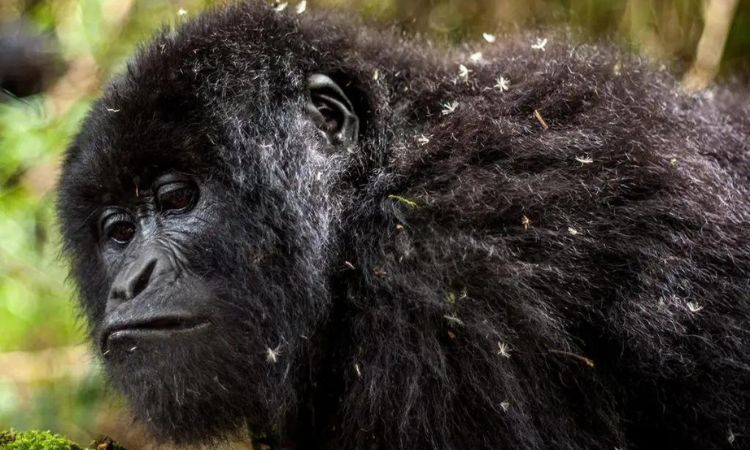
Why Gorilla Naming Matters for the Future
The naming of a baby gorilla may appear simple, but it represents a much larger commitment. Each named gorilla becomes part of a conservation story that can be followed through monitoring and research.
The ceremony also creates a platform for discussing the future of mountain gorilla conservation, including habitat protection, responsible tourism, community development, scientific research, and environmental sustainability.
In 2026, Rwanda’s official ceremony named 22 baby mountain gorillas, bringing the total number of mountain gorillas named through Kwita Izina since its official launch to 438.
Experience Rwanda's Gorilla Conservation Story With Tukumbe Tours and Travel
A Rwanda gorilla safari is much more than a wildlife excursion. It is an opportunity to experience the forests of Volcanoes National Park, learn about mountain gorillas, meet local communities, and understand the conservation efforts that have helped protect these remarkable animals.
For travelers planning a Rwanda and Uganda safari, Tukumbe Tours and Travel can help create an itinerary that combines gorilla trekking with other wildlife, cultural, and scenic experiences. Whether you are interested in gorilla trekking, cultural tourism, or exploring East Africa more broadly, understanding events such as Kwita Izina can add greater meaning to your journey.
The Gorilla Naming Ceremony reminds us that conservation is not only about protecting animals. It is also about protecting habitats, supporting communities, encouraging responsible tourism, and ensuring that future generations can experience mountain gorillas in the wild.
Kwita Izina is therefore more than a naming ceremony it is a celebration of Rwanda’s people, culture, wildlife, and continuing commitment to conservation
Request for A Free Trip Quote
We’d be delighted to help you plan your dream Uganda Gorilla Safari. Simply fill out the inquiry form below, and one of our safari specialists will get back to you with a personalized quote and expert travel advice.
For direct assistance, feel free to contact us by email at info@tukumbetours.com or connect with us on WhatsApp at +256752294116. We look forward to creating an unforgettable African adventure for you