
Ultimate Guide to Uganda and Rwanda Safari Tour

Rwanda Gorilla Trekking : Why Travelers Are Booking Earlier Than Ever
Best Time of Year for Authentic Cultural Immersion in Uganda
Uganda is much more than a destination for gorilla trekking, wildlife safaris, and spectacular landscapes. For travelers seeking meaningful experiences, the country offers an opportunity to connect with local communities, traditional lifestyles, food, music, dance, crafts, storytelling, and centuries-old cultural heritage. The best time of year for authentic cultural immersion in Uganda depends largely on the type of cultural experience you want, the region you plan to visit, and whether you want to participate in community activities, cultural festivals, agricultural experiences, or traditional celebrations.
Uganda is culturally diverse, with numerous ethnic communities, languages, kingdoms, traditions, cuisines, and forms of artistic expression. The Uganda Tourism Board highlights cultural heritage tours, traditional kingdoms, culinary experiences, and community experiences among Uganda’s tourism offerings. This diversity means that there is no single month that is perfect for every cultural experience. Instead, different periods of the year offer different opportunities to experience Uganda beyond the usual tourist routes.
Why Cultural Immersion Is Worth Experiencing in Uganda
Authentic cultural tourism allows visitors to experience Uganda through the people who call the country home. Instead of simply visiting a cultural attraction, travelers can spend time with communities, learn about traditional ways of life, participate in local activities, taste regional foods, listen to stories, and understand the history behind different customs.
A cultural experience can be as simple as sharing a meal with a local family, learning how traditional food is prepared, visiting a village craft workshop, joining a traditional dance, or walking through a community with a local guide. These experiences create a deeper connection between travelers and the destination.
Uganda’s cultural diversity is one of the country’s major tourism strengths. The Uganda Tourism Board describes the country as having more than 50 tribes and a wide variety of cultural traditions, foods, customs, music, and heritage. For travelers who want more than sightseeing, this diversity provides many opportunities to build a richer and more personal Uganda itinerary.
The Dry Seasons: June to August and December to February
For many travelers, June to August and December to February are convenient periods for combining cultural experiences with wildlife safaris and other outdoor activities. Uganda has traditionally been described as having two main dry seasons, although weather patterns can vary from one region to another.
During these periods, road travel between cultural destinations can be more comfortable, particularly when an itinerary includes rural areas. This makes it easier to combine community visits with national parks, historical sites, nature walks, or other attractions.
The June-to-August period can be particularly attractive for travelers who want to explore several regions of Uganda in one journey. You can combine cultural experiences in western Uganda with wildlife viewing, visit communities around national parks, or continue north toward destinations where traditional cultures remain an important part of everyday life.
The December-to-February period can also be appealing for travelers who want to experience Uganda during the festive season. Communities, towns, churches, families, and cultural organizations may have different celebrations and gatherings during this period. However, cultural events vary from year to year, so travelers should confirm specific festival dates before planning their journey.
March to May: A Different Side of Cultural Uganda
The March-to-May period is associated with one of Uganda’s wetter seasons, but this does not mean cultural tourism should be avoided. In fact, travelers interested in understanding rural life may find this period particularly rewarding.
Agriculture plays an important role in many Ugandan communities, and the rainy periods can provide a different perspective on rural livelihoods. Depending on the community and location, travelers may see agricultural activities, food production, planting, gardening, and other aspects of everyday life.
The greener landscapes can also make community walks and cultural excursions especially beautiful. Travelers who are comfortable with occasional rain may enjoy a slower and more intimate style of travel during this period.
For Tukumbe Tours and Travel, this can be an excellent opportunity to design a customized itinerary that combines cultural immersion with nature, photography, community tourism, and selected wildlife experiences.
September to November: Community Experiences and Green Landscapes
September to November can also provide excellent opportunities for cultural exploration. Although rainfall can occur, Uganda remains accessible to travelers, and many cultural experiences are available throughout the year.
One advantage of traveling during this period is that visitors may encounter fewer travelers at some cultural attractions compared with the busiest tourism periods. This can create opportunities for more relaxed conversations with local guides, artisans, community members, and cultural hosts.
For travelers who value genuine interaction over simply ticking attractions off a list, this can be an important consideration. Cultural immersion is often strongest when there is enough time to slow down, ask questions, listen, and participate.
Experience Uganda Through Traditional Food
Food is one of the most powerful ways to experience Ugandan culture. Every region has its own culinary traditions, ingredients, preparation methods, and favorite dishes.
A cultural itinerary can include opportunities to learn how traditional meals are prepared, visit local markets, taste seasonal produce, or share meals with community members. Dishes such as matooke, millet-based foods, groundnut sauces, cassava, sweet potatoes, beans, fresh fruits, and different regional specialties provide visitors with an opportunity to understand Uganda through taste.
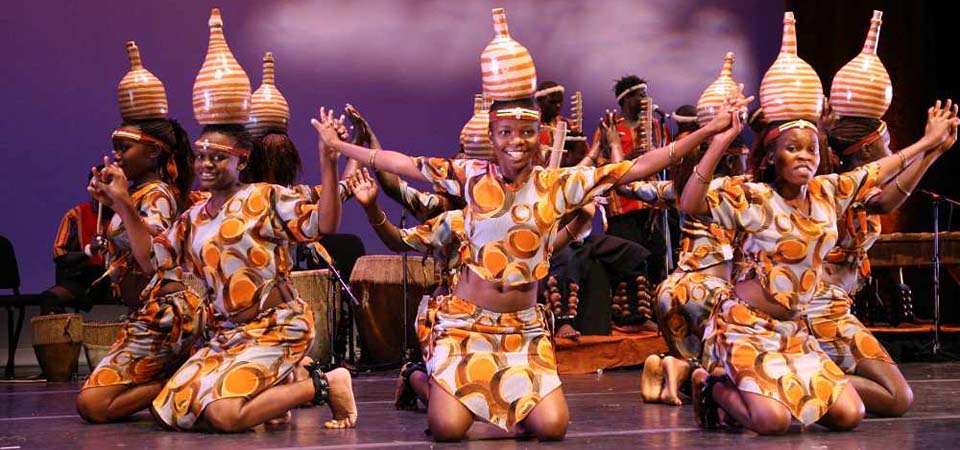
The importance of food in cultural tourism was demonstrated during a Uganda Tourism Board cultural gala at Ndere Cultural Centre, where visitors experienced dishes from different parts of the country alongside traditional music and dance.
For travelers seeking authenticity, eating local food is not simply about trying something different. It is an opportunity to understand how geography, agriculture, history, family traditions, and community life influence what people eat.

Explore Uganda's Kingdoms and Historical Heritage
Uganda’s cultural heritage also includes historic kingdoms and traditional institutions. Travelers interested in history can explore cultural and historical sites associated with kingdoms such as Buganda, Tooro, Bunyoro-Kitara, and Busoga.
These experiences help visitors understand that Uganda’s history extends far beyond its wildlife and landscapes. Traditional leadership, architecture, royal traditions, crafts, music, food, and oral history all contribute to the country’s cultural identity.
A cultural itinerary can therefore include visits to historical sites and traditional institutions alongside community experiences. This combination allows travelers to understand both the historical foundations and the contemporary cultural life of Uganda.
Experience Karamoja and Northeastern Uganda
For travelers looking for a particularly distinctive cultural experience, northeastern Uganda offers opportunities to learn about communities whose traditions and lifestyles differ considerably from those found in central and western Uganda.
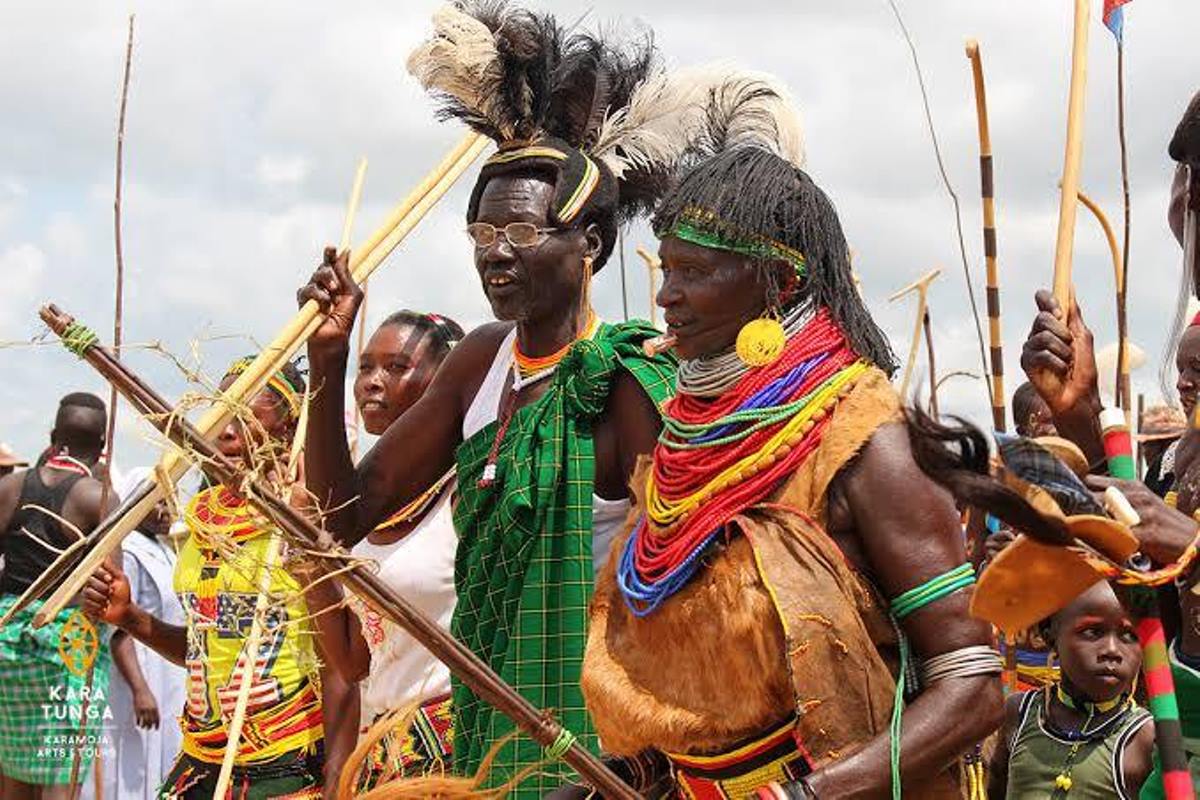
Karamoja is particularly known for its distinctive cultural heritage, traditional livelihoods, dances, crafts, and community traditions. The Uganda Tourism Board currently promotes Karamoja culture as one of Uganda’s cultural tourism experiences.
Traveling to this region requires thoughtful planning because distances and road conditions can differ from those in more developed tourism areas. A knowledgeable local tour operator can help arrange appropriate guides, community visits, transportation, and respectful cultural interactions.
Cultural Festivals Can Offer Exceptional Experiences
If your main goal is to experience Ugandan culture during a celebration, consider planning your trip around a specific cultural or heritage event. Festivals and cultural gatherings can bring together traditional music, dance, food, crafts, storytelling, ceremonies, and community participation.
However, festival dates should always be confirmed before booking. Some events change dates from year to year, while others are organized according to cultural or religious calendars.
Uganda Tourism Board has supported cultural and heritage events in different regions, including Buganda cultural activities, Tooro heritage initiatives, and Acholi cultural festivals. The tourism sector has also increasingly positioned culture as an experience in its own right rather than merely an addition to wildlife tourism.
June Can Be Special for Faith and Cultural Heritage
June can be an interesting month for travelers who want to combine cultural tourism with faith-based heritage. Uganda Martyrs Day, observed on June 3, attracts pilgrims and visitors from Uganda and other countries.
The event has significant religious, historical, and cultural importance and provides visitors with an opportunity to observe a major gathering and learn about an important chapter of Ugandan history. Uganda Tourism Board has identified Uganda Martyrs Day as one of the country’s major faith-based tourism events.
Travelers interested in attending should plan early because major events can attract large numbers of visitors and pilgrims.
Cultural Experiences Are Available Throughout the Year
Although certain seasons may make travel logistics easier, there is no period when Uganda’s culture disappears. Cultural experiences are available throughout the year.
Community visits, traditional cooking, craft workshops, cultural centres, historical tours, village walks, local markets, storytelling, music, dance, and visits to cultural sites can generally be incorporated into Uganda itineraries regardless of the month.
This is why choosing the best time of year for authentic cultural immersion in Uganda should be based on what you want to experience rather than simply choosing the traditional safari high season.
If your priority is comfortable road travel and combining culture with wildlife, the drier months can be a strong choice. If you want agricultural experiences and lush landscapes, the wetter periods can provide a different perspective. If you want to attend a particular festival or cultural celebration, the event calendar should determine your travel dates.
How to Make Your Cultural Experience More Authentic
Authentic cultural tourism depends not only on when you travel but also on how you travel. Visitors should approach communities with respect, curiosity, and an open mind.
Take time to learn basic greetings where appropriate, ask before photographing people, dress respectfully when visiting cultural or religious sites, and listen to local explanations. Avoid treating communities as attractions to be photographed without meaningful interaction.
It is also important to support local people. Buying crafts directly from artisans, using local guides, eating locally prepared food, and participating in community-based experiences can help ensure that tourism benefits the people who make these experiences possible.
Tukumbe Tours and Travel can help travelers create itineraries that place cultural experiences alongside Uganda’s famous wildlife and natural attractions. Instead of rushing from one destination to another, a carefully designed itinerary can give you time to meet local people, understand regional traditions, and experience Uganda at a more personal level
Combining Cultural Immersion With a Uganda Safari
One of the greatest advantages of traveling in Uganda is that cultural tourism can easily be combined with other experiences. A traveler might spend time exploring Kampala’s cultural scene before continuing to western Uganda for gorilla trekking and community experiences.
Another itinerary could combine cultural encounters around Fort Portal and the Tooro region with Kibale National Park, followed by Queen Elizabeth National Park and local community visits.
Travelers heading north can combine wildlife experiences in Murchison Falls National Park with visits to communities and historical sites in northern Uganda. Those interested in northeastern Uganda can combine wildlife and adventure with cultural experiences in the Karamoja region.
This flexibility makes Uganda particularly attractive to travelers who want a holiday that combines wildlife, nature, history, food, people, and culture.
Plan an Authentic Ugandan Cultural Journey With Tukumbe Tours and Travel
Uganda becomes even more memorable when travelers take time to meet its people and understand the stories behind its traditions. From traditional food and music to community visits, historical kingdoms, cultural festivals, local crafts, storytelling, and everyday rural life, cultural immersion can transform an ordinary holiday into a meaningful journey.
At Tukumbe Tours and Travel, we can help you design a Uganda itinerary that combines authentic cultural experiences with gorilla trekking, wildlife safaris, nature, adventure, and scenic destinations. Rather than simply visiting Uganda, you can take the time to experience its people, traditions, food, history, and hospitality.
Whether you travel during the dry season, the wetter months, or around a particular cultural celebration, Uganda offers opportunities to connect with communities throughout the year. The key is choosing experiences that are respectful, locally guided, and designed around genuine interaction.
Uganda is not only a destination to see. It is a destination to meet, taste, listen to, learn from, and experience.
Request for A Free Trip Quote
We’d be delighted to help you plan your dream Uganda Gorilla Safari. Simply fill out the inquiry form below, and one of our safari specialists will get back to you with a personalized quote and expert travel advice.
For direct assistance, feel free to contact us by email at info@tukumbetours.com or connect with us on WhatsApp at +256752294116. We look forward to creating an unforgettable African adventure for you