The Ultimate Guide to Cultural Tourism in Uganda
Best Time of Year for Authentic Cultural Immersion in Uganda
Ultimate Guide to Uganda and Rwanda Safari Tour
Ultimate Guide to Uganda and Rwanda Safari Tour
Uganda and Rwanda offer one of the most rewarding combinations for an East African safari. From Uganda’s vast savannahs, tropical forests and powerful waterfalls to Rwanda’s volcanic landscapes, mountain gorillas and beautifully preserved national parks, a combined Uganda and Rwanda safari allows travellers to experience several sides of East Africa in one carefully planned journey.
For travellers interested in gorilla trekking, chimpanzee tracking, Big Five safaris, cultural experiences and spectacular scenery, combining the two countries can create a much more diverse holiday than visiting either destination alone. Uganda is particularly strong for longer wildlife-focused itineraries, while Rwanda offers excellent accessibility to Volcanoes National Park and a compact route between Kigali and the gorilla region.
Why Combine Uganda and Rwanda on One Safari?
One of the biggest advantages of combining Uganda and Rwanda is the variety of experiences available within a relatively manageable geographical area. Instead of spending your entire holiday in one destination, you can experience Uganda’s wildlife parks and rainforests before crossing into Rwanda for gorilla trekking, cultural encounters or additional wildlife experiences.
Uganda is often known as the “Pearl of Africa”, with destinations such as Bwindi Impenetrable National Park, Queen Elizabeth National Park, Kibale National Park, Murchison Falls National Park, Lake Mburo National Park and Kidepo Valley National Park. The country provides opportunities to see elephants, lions, leopards, buffaloes, hippos, chimpanzees, giraffes and many other species, depending on the route.
Rwanda, meanwhile, offers a compact tourism experience centred around destinations such as Volcanoes National Park, Akagera National Park and Nyungwe National Park. Visit Rwanda describes Akagera as the country’s safari region and Volcanoes as a major destination for gorilla tracking, while Nyungwe is renowned for its rainforest biodiversity and primates.
This makes a combined itinerary particularly attractive to travellers who want gorillas plus traditional African safari wildlife.
Gorilla Trekking in Uganda and Rwanda
Gorilla trekking is usually the highlight of a Uganda-Rwanda safari.
Uganda offers gorilla trekking in Bwindi Impenetrable National Park and Mgahinga Gorilla National Park, while Rwanda’s main gorilla destination is Volcanoes National Park. Uganda’s tourism authorities highlight Bwindi and Mgahinga as the country’s principal destinations for mountain gorilla trekking.
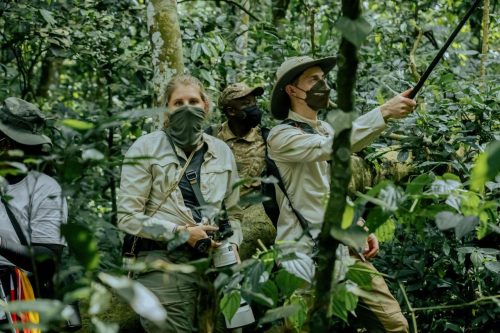
The experience begins with a briefing before trekkers enter the forest accompanied by trained guides and trackers. The hike may be relatively short or require several hours of walking, depending on where the gorilla family is located that day. The terrain can be steep, muddy and slippery, particularly in rainforest conditions.
Once you locate the gorilla family, the experience becomes remarkably intimate. You may see silverbacks resting in the vegetation, mothers caring for infants and young gorillas playing around the forest floor.
Gorilla trekking is also carefully regulated to protect both visitors and gorillas. Travellers should follow all instructions from park authorities and guides, maintain the required distance, avoid touching the gorillas and never trek when suffering from an infectious illness.
Uganda vs Rwanda for Gorilla Trekking
The two countries provide different experiences.
Uganda generally appeals to travellers looking for a longer, more adventurous and wildlife-rich safari, while Rwanda can be particularly convenient for visitors with limited time because Volcanoes National Park is only a few hours’ drive from Kigali. Current 2026 safari sources commonly list Uganda’s standard foreign non-resident gorilla permit at US$800 and Rwanda’s at US$1,500, although travellers should confirm the applicable rate and conditions when booking because permit prices and tourism policies can change.
For a traveller who wants to combine gorilla trekking with chimpanzees and a traditional wildlife safari, Uganda can provide greater itinerary depth. For someone who wants a shorter gorilla-focused trip with easy access from an international airport, Rwanda can be particularly attractive.
Uganda Safari: Wildlife Beyond the Gorillas
A Uganda and Rwanda safari should not be limited to gorilla trekking. Uganda has an impressive selection of national parks where travellers can add traditional game drives, boat cruises and primate experiences.
Queen Elizabeth National Park
Queen Elizabeth National Park is one of the most popular additions to a Uganda-Rwanda itinerary.
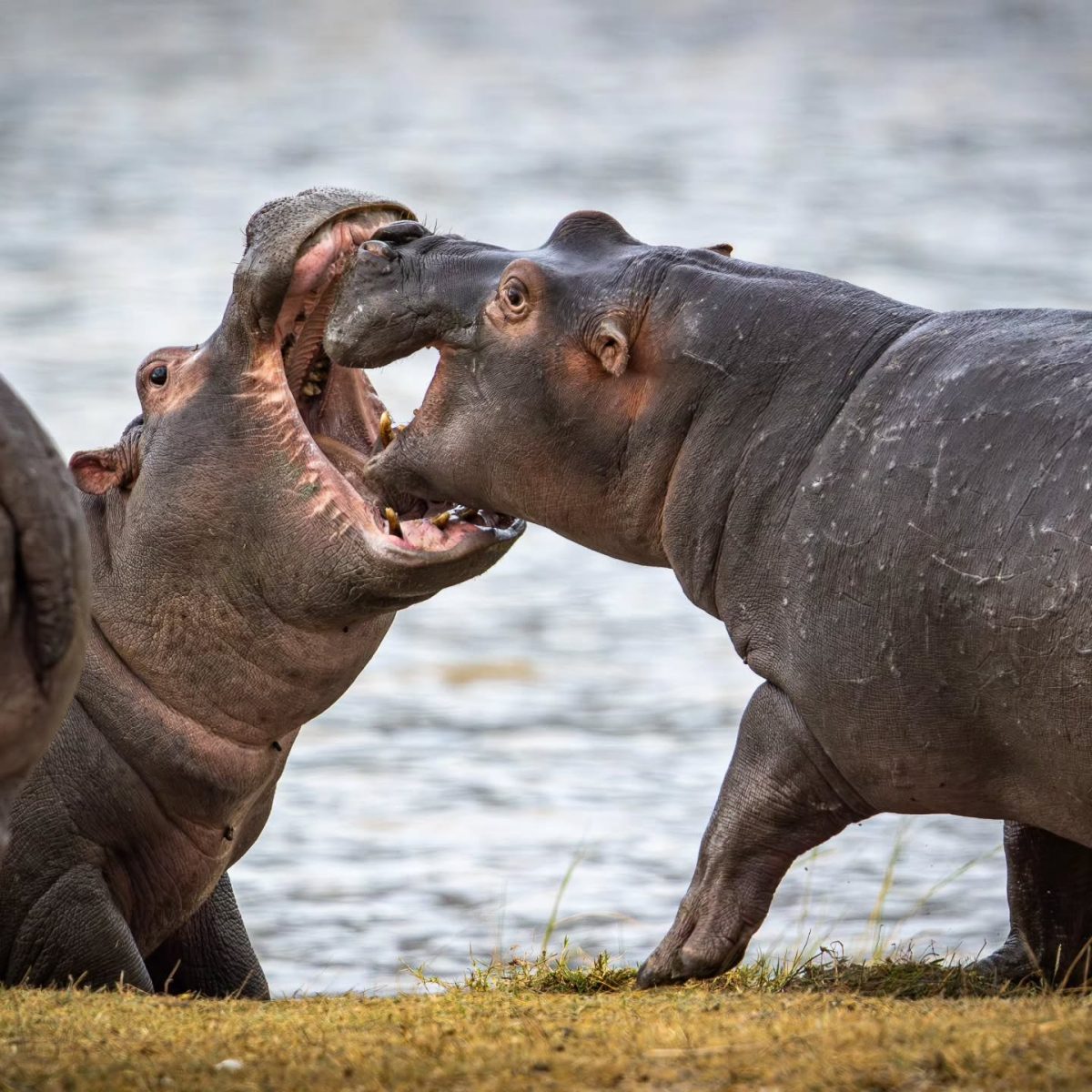
The park is known for elephants, buffaloes, hippos, lions, leopards and a wide range of antelope species. A safari game drive can be combined with a Kazinga Channel boat cruise, where visitors have the opportunity to see large concentrations of hippos, crocodiles, elephants and water birds.
The Ishasha sector in the southern part of the park is particularly famous for its tree-climbing lions, making it an exciting destination for wildlife photographers.
Kibale National Park
is one of Uganda’s most remarkable rainforest destinations and is widely regarded as one of the best places in East Africa for chimpanzee tracking. Located in western Uganda near Fort Portal, the park protects a lush tropical forest ecosystem that supports a remarkable diversity of primates, including chimpanzees, red colobus monkeys, black-and-white colobus monkeys, L’Hoest’s monkeys, blue monkeys and grey-cheeked mangabeys, alongside forest elephants, buffaloes, bushbucks, duikers and numerous bird species. Chimpanzee trekking is the park’s main attraction, giving visitors the opportunity to walk through the forest with experienced guides and trackers while searching for habituated chimpanzee communities, observing their feeding, movement, communication and social behaviour in their natural environment. Kibale also offers chimpanzee habituation experiences, birdwatching, nature walks and community experiences, making it an excellent destination for travellers seeking more than a conventional wildlife safari. Its location also makes it a strategic stop on a western Uganda itinerary, particularly when combining chimpanzee tracking in Kibale with wildlife viewing in Queen Elizabeth National Park and gorilla trekking in Bwindi Impenetrable National Park, creating a diverse Uganda safari that combines primates, savannah wildlife, rainforest and cultural experiences.
Lake Mburo National Park
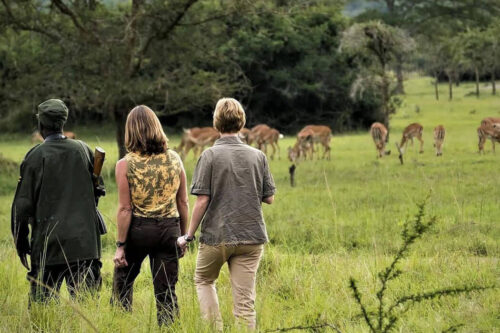
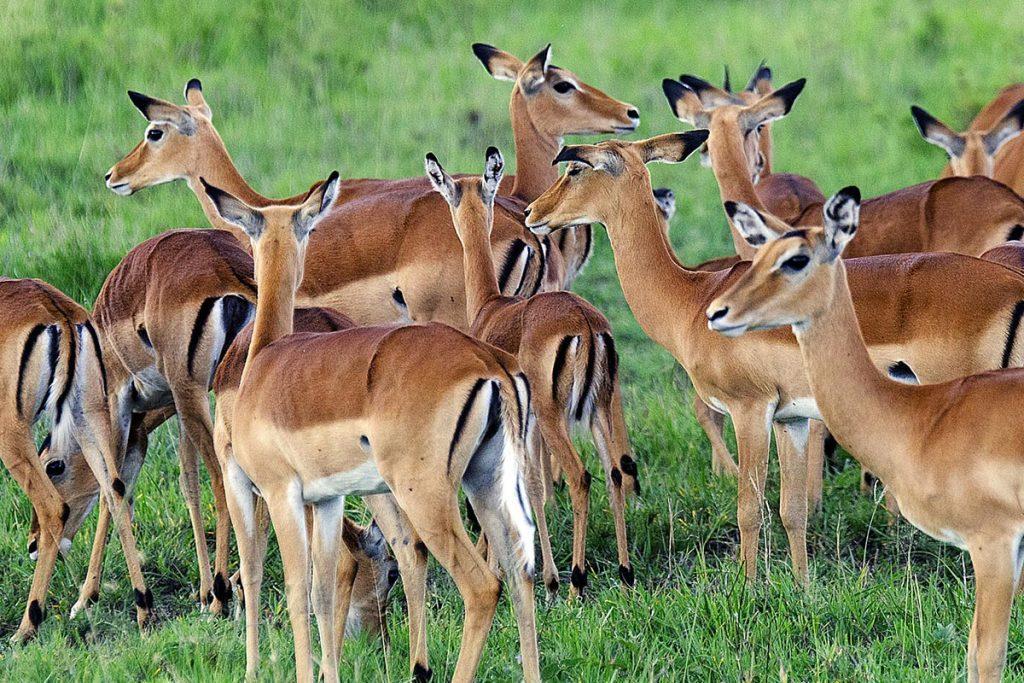
is one of Uganda’s most accessible and scenic savannah parks, making it an excellent destination for travellers looking for a shorter wildlife safari or a stopover on the way to western Uganda and Rwanda. Located in southwestern Uganda, the park is characterised by rolling hills, open grasslands, acacia woodland, rocky outcrops, wetlands and the beautiful Lake Mburo, creating a diverse habitat for wildlife. It is particularly famous for its large populations of zebras and impalas, while other animals commonly encountered include buffaloes, giraffes, warthogs, elands, topis, waterbucks, bushbucks, oribis, hippos and several species of monkeys; leopards, hyenas and other predators may also be encountered. Visitors can explore the park through game drives, boat trips on Lake Mburo, guided nature walks, birdwatching and horseback safaris, offering different ways to experience its wildlife and landscapes. The lake and surrounding wetlands also attract numerous water birds, making the park valuable for bird enthusiasts. Because of its convenient location between Kampala and the gorilla trekking destinations of southwestern Uganda, Lake Mburo fits particularly well into itineraries combining Uganda wildlife safaris, Bwindi gorilla trekking, Kibale chimpanzee tracking and Rwanda travel, allowing visitors to experience savannah wildlife before continuing into the forested and mountainous regions of the Albertine Rift.
Rwanda Safari Beyond Gorilla Trekking
Rwanda may be best known internationally for mountain gorillas, but the country offers considerably more.
Akagera National Park
is Rwanda’s leading savannah wildlife destination and an excellent addition to a Uganda and Rwanda safari, offering a striking combination of open plains, rolling hills, wetlands, lakes and woodland habitats. Located in eastern Rwanda along the Tanzanian border, the park is home to a diverse range of wildlife, including elephants, buffaloes, lions, leopards, giraffes, zebras, hippos, crocodiles, antelopes and numerous bird species, making it one of the best places in Rwanda for traditional game drives and Big Five experiences. One of Akagera’s highlights is its network of lakes and wetlands, particularly Lake Ihema, where boat safaris provide opportunities to see hippos, crocodiles, waterbirds and animals gathering near the shoreline. The park is also an important conservation success story, having undergone significant restoration and wildlife reintroduction efforts that have strengthened its biodiversity and improved opportunities for visitors. For travellers combining gorilla trekking in Volcanoes National Park with a classic wildlife safari, Akagera provides a valuable contrast, allowing you to move from Rwanda’s volcanic mountain landscapes to open savannah within the same trip.
Nyungwe National Park
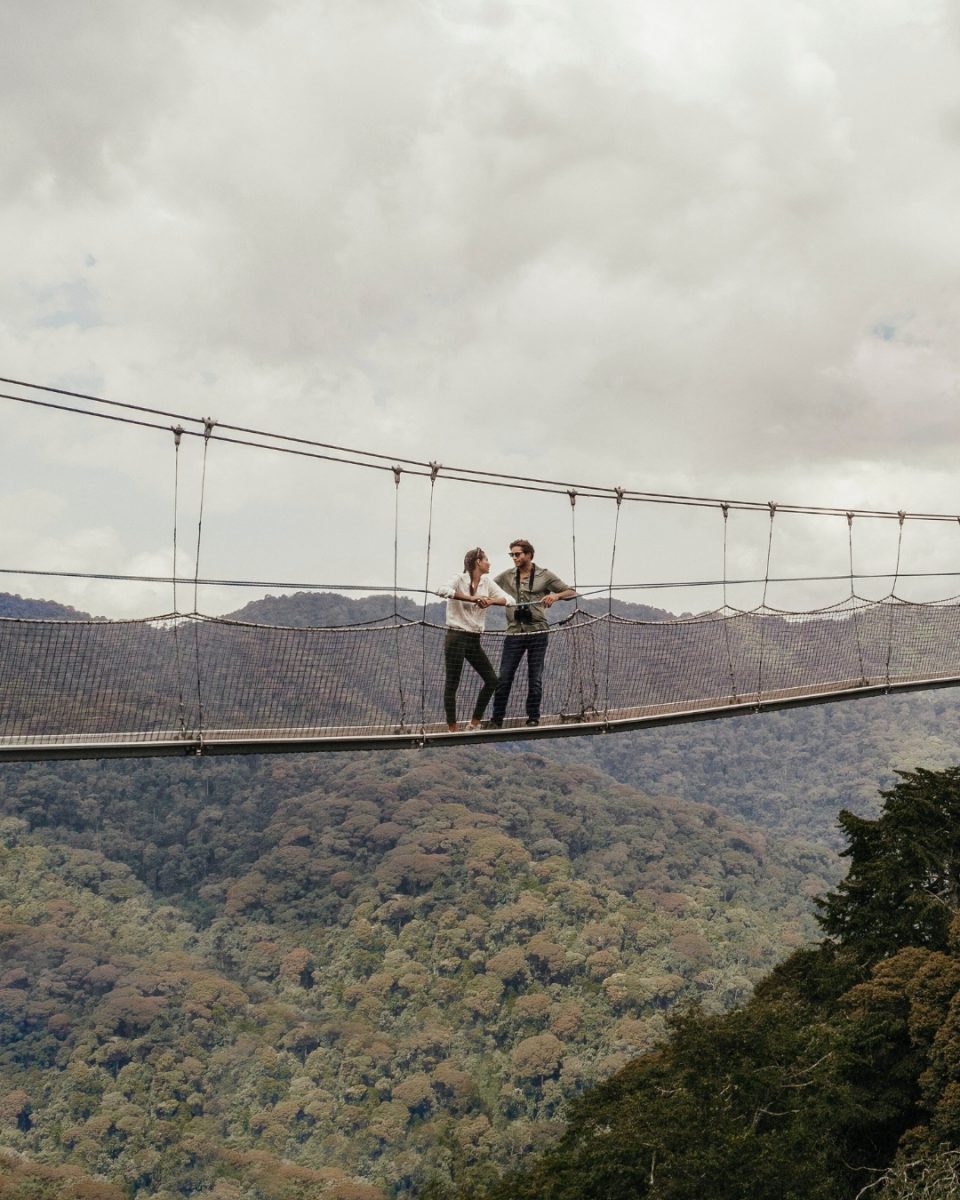
is one of Rwanda’s most spectacular natural destinations and one of Africa’s important protected rainforest ecosystems, offering travellers an exceptional combination of chimpanzee tracking, primate encounters, birdwatching, forest walks and breathtaking scenery. Located in southwestern Rwanda, Nyungwe protects a vast mountainous rainforest characterised by dense vegetation, ancient trees, valleys, streams and mist-covered hills, creating a rich habitat for a remarkable variety of wildlife. The park is particularly famous for its chimpanzee trekking experience, which takes visitors into the forest with experienced guides and trackers to search for habituated chimpanzee communities and observe their natural behaviours, including feeding, communication and movement through the trees. Nyungwe is also home to numerous other primates, including colobus monkeys, L’Hoest’s monkeys, blue monkeys and mangabeys, as well as hundreds of bird species, making it an excellent destination for both primate enthusiasts and birdwatchers. One of its most memorable attractions is the Nyungwe Canopy Walk, a suspended walkway high above the forest floor that provides spectacular views across the treetops and surrounding mountainous landscape while offering opportunities to observe birds and monkeys from a unique perspective. Nature walks and guided forest excursions provide further opportunities to appreciate the park’s biodiversity, while nearby cultural experiences can help visitors understand the communities and traditions surrounding the forest. Nyungwe is particularly valuable on a Uganda and Rwanda safari itinerary, especially for travellers who want to combine chimpanzee tracking in Uganda’s Kibale National Park, gorilla trekking in Bwindi or Volcanoes National Park, and Rwanda’s rainforest and primate experiences into one diverse East African adventure.
Best Time for a Uganda and Rwanda Safari
Uganda and Rwanda can be visited throughout the year, but the best timing depends on the type of experience you want.
The generally drier periods are often attractive for wildlife viewing because roads and trekking trails may be easier to navigate. However, the rainy seasons should not automatically be ruled out. Rain can make trekking more challenging, but it also creates lush green landscapes and can bring fewer visitors and potentially better value depending on the season.
For gorilla trekking, there is no guarantee that a particular month will produce an easier trek. Mountain gorillas live in a natural environment, and their location changes.
If you are combining game drives, chimpanzee tracking and gorilla trekking, a travel consultant can help select dates that provide the best overall balance rather than focusing on just one activity.
Why Book Your Uganda and Rwanda Safari With Tukumbe Tours and Travel?
Planning a multi-country safari requires more than simply choosing national parks. Gorilla permits, accommodation, transportation, border crossings and activity schedules all need to work together.
Tukumbe Tours and Travel can help travellers design a Uganda and Rwanda safari around their available time, interests and budget. Whether you are interested in gorilla trekking, chimpanzee tracking, Big Five wildlife, cultural experiences or scenic exploration, the itinerary can be customised rather than following a one-size-fits-all package.
A professional safari plan should also allow enough time between major activities. Rushing from one destination to another can take away from the experience, while a carefully paced itinerary allows you to enjoy the landscapes, communities and wildlife along the way.
Final Thoughts
The Ultimate Uganda and Rwanda Safari Tour is much more than a gorilla trekking holiday. It is an opportunity to experience two remarkable East African destinations through rainforest adventures, primate encounters, savannah game drives, volcanic scenery, cultural experiences and unforgettable encounters with mountain gorillas.
Uganda provides an exceptional foundation for a longer wildlife adventure, while Rwanda adds convenient access to Volcanoes National Park and offers its own impressive safari and rainforest experiences. Combining the two countries can therefore create a richer and more diverse East African journey.
For travellers dreaming of gorilla trekking, chimpanzee tracking, Big Five wildlife and an authentic East African adventure, a professionally planned Uganda and Rwanda safari can be one of the most rewarding journeys you can take.
Travel requirements, gorilla permit prices, border procedures and park regulations can change. Confirm the current requirements and applicable fees when booking your safari.
Request for A Free Trip Quote
We’d be delighted to help you plan your dream Uganda Gorilla Safari. Simply fill out the inquiry form below, and one of our safari specialists will get back to you with a personalized quote and expert travel advice.
For direct assistance, feel free to contact us by email at info@tukumbetours.com or connect with us on WhatsApp at +256752294116. We look forward to creating an unforgettable African adventure for you