Best Time to Visit Uganda for a Safari
Where can I see golden monkeys in Uganda?
How Uganda Is Marketing the Pearl of Africa
Uganda is entering an important new chapter in its tourism story. For decades, the country has been known as the “Pearl of Africa.” Today, Uganda is increasingly promoting itself as a destination where travelers can enjoy wildlife, primates, adventure, culture, beautiful landscapes, and warm hospitality within one journey.
At the center of this strategy is the “Explore Uganda, The Pearl of Africa” destination brand. Introduced by the Uganda Tourism Board, the campaign is designed to showcase the country’s diversity and encourage visitors to explore more than one attraction during their stay.
For Tukumbe Tours and Travel, this growing focus creates exciting opportunities. Many travelers are no longer interested in visiting Uganda for only one experience. A visitor may arrive for gorilla trekking and then discover chimpanzees, wildlife safaris, cultural experiences, mountain adventures, or the Nile. Uganda’s tourism marketing is helping tell this wider story.
From Visiting Uganda to Exploring Uganda
One of the most important changes in Uganda’s tourism marketing is the shift from simply promoting individual attractions to encouraging travelers to explore Uganda as a complete destination.
The message behind “Explore Uganda, The Pearl of Africa” highlights the country’s wide range of experiences. Instead of focusing only on one national park or famous attraction, tourism promotion encourages visitors to discover forests, mountains, rivers, savannahs, wildlife, communities, culture, and adventure.
This approach gives Uganda an opportunity to compete more strongly with established African tourism destinations. A traveler may initially be interested in gorilla trekking but can also discover chimpanzees in Kibale, wildlife in Queen Elizabeth National Park, the Nile in Jinja, the mountains of southwestern Uganda, and cultural experiences across the country.
As a result, Uganda can present a more complete tourism experience while encouraging longer stays and creating more opportunities for local tourism businesses.
Promoting Uganda as a Multi-Experience Destination
Uganda has a remarkably diverse tourism portfolio for a relatively compact country. Its tourism marketing increasingly emphasizes the opportunity to combine several experiences within one itinerary.
Gorilla trekking remains one of Uganda’s best-known international tourism experiences. However, the country also offers savannah wildlife safaris, chimpanzee tracking, bird watching, mountain hiking, adventure activities, cultural tourism, and opportunities for relaxation.
This diversity allows Uganda to appeal to different types of travelers.
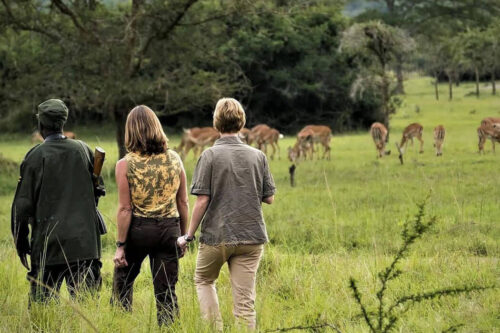
Wildlife enthusiasts can search for lions, elephants, buffaloes, giraffes, and other animals. Primate lovers can experience gorillas and chimpanzees. Adventure travelers can explore the Nile and Uganda’s mountains. Bird watchers can visit forests, wetlands, and savannah habitats.
Cultural travelers can experience local traditions, food, music, crafts, and communities. By bringing these experiences together under the Pearl of Africa brand, Uganda can show that it offers much more than a conventional safari.
Taking Uganda to International Travel Markets
Uganda is increasingly taking its tourism message directly to international source markets.
Rather than relying only on travelers discovering Uganda independently, tourism authorities and private tourism businesses participate in international tourism exhibitions, trade shows, and roadshows. These events create opportunities to introduce Uganda to travel advisors, international tour operators, journalists, investors, and potential visitors.
International travel professionals can learn about Uganda’s attractions, accommodation options, safari routes, gorilla trekking opportunities, and other tourism experiences. These relationships can eventually lead to international travel packages, partnerships, and bookings.
This approach is particularly important because many international travelers plan African holidays with assistance from travel advisors or tour operators. Strong relationships with these professionals can therefore increase Uganda’s visibility in overseas markets.
The Role of Tourism Trade Shows
Tourism exhibitions are an important part of Uganda’s international tourism marketing strategy.
The Pearl of Africa Tourism Expo, commonly known as POATE, is one of Uganda’s major tourism trade events. It brings together Ugandan tourism companies, international buyers, investors, and other professionals from the tourism industry.
Events such as POATE give Ugandan tourism businesses an opportunity to present their products directly to international buyers. Instead of depending entirely on advertising, companies can establish professional relationships with people who sell African holidays in overseas markets.
These meetings can lead to partnerships, new tour packages, media coverage, and greater international awareness of Uganda.
Trade shows also provide an opportunity for Uganda to explain what makes the country different from more established African safari destinations. Its combination of gorilla trekking, wildlife, primates, adventure, culture, and scenic landscapes gives the country a distinctive tourism story.
Creating Memorable Tourism Experiences
Modern destination marketing is increasingly focused on experiences rather than traditional advertising alone.
Uganda has used interactive approaches at international tourism events to make the destination more memorable. Virtual reality experiences, coffee tasting, wildlife displays, and presentations about gorilla tourism can give potential travelers a more direct connection with the country.
This matters because travelers are exposed to thousands of tourism advertisements online. An interactive experience can make Uganda more memorable and encourage people to learn more about the destination.
Digital marketing works in a similar way. Videos showing gorilla trekking, wildlife encounters, rafting on the Nile, mountain hiking, and cultural experiences can help potential visitors understand what traveling through Uganda could actually feel like.
Visual storytelling can turn an unfamiliar destination into a place that travelers can imagine themselves experiencing.
Targeting New International Markets
Uganda is also working to diversify its international tourism markets.
Rather than depending heavily on a limited number of traditional source markets, tourism promotion is increasingly reaching audiences across Europe, North America, Asia, and other emerging markets.
This approach is important because different markets have different travel interests and expectations.
Some travelers may be interested in luxury safaris, while others may prioritize adventure, wildlife, bird watching, culture, photography, or sustainable tourism. By adapting tourism messages to different audiences, Uganda can highlight the experiences that are most relevant to each market.
A wider international marketing strategy can also help reduce dependence on individual markets and create new opportunities for Uganda’s tourism sector.
Strengthening Uganda’s Presence in North America
North America represents an important opportunity for Uganda’s tourism industry.
Travelers from the United States and Canada are already familiar with African safaris, creating an established audience for Uganda to target. Uganda’s participation in international travel shows in the United States provides tourism businesses with opportunities to meet travelers, travel advisors, media organizations, and other industry professionals.
These interactions allow Uganda to explain what makes a Uganda safari different from experiences in other African destinations.
Gorilla trekking is one of the country’s strongest selling points. However, the broader message can include wildlife, primates, adventure, culture, and the opportunity to combine several experiences during one trip.
This wider approach can help travelers see Uganda as a complete holiday destination rather than a country visited for only one major attraction.
Promoting Sustainable and Community Tourism
Tourism marketing in Uganda is also increasingly connected with conservation and community development.
Visitors are not simply being encouraged to see wildlife and landscapes. Tourism promotion can also explain how visitor spending contributes to conservation, employment, and local communities.
Gorilla tourism provides a good example. A gorilla trekking experience involves guides, trackers, porters, accommodation providers, transport companies, and other local businesses.
Tourism can therefore create economic opportunities around protected areas while strengthening the connection between communities and conservation.
This message is becoming increasingly important because many modern travelers want to understand how their spending affects the destinations they visit. Travelers are often interested in experiences that provide both personal enjoyment and positive benefits for local communities.
Connecting Tourism With Conservation
Uganda’s wildlife is one of the foundations of its tourism industry.
The country therefore has an opportunity to market wildlife experiences while also explaining the conservation work that makes those experiences possible.
A gorilla trek, for example, can be presented as more than an opportunity to photograph gorillas. It can also form part of a wider conservation story that helps travelers understand the importance of protecting Uganda’s forests and wildlife.
The same principle applies to safari experiences involving elephants, lions, buffaloes, giraffes, and other wildlife.
When travelers understand the importance of conservation, their experiences can become more meaningful and memorable. Tourism marketing can therefore connect the excitement of seeing wildlife with a deeper understanding of why these species and habitats need protection.
Using Culture to Expand Uganda’s Tourism Story
Wildlife may attract many visitors to Uganda, but culture adds another important dimension to the country’s tourism story.
Uganda has a wide range of cultural traditions, music, dance, food, crafts, historical sites, and community experiences.
Including these experiences in tourism marketing allows visitors to discover Uganda beyond its national parks.
For example, a traveler arriving for a gorilla trek can extend the journey with a cultural experience, local cuisine, community visit, or historical attraction. These additions can make a trip more personal while creating additional opportunities for local communities and small businesses.
Culture can also encourage travelers to stay longer and explore destinations that may otherwise be overlooked.
Promoting Adventure Tourism
Adventure is another area where Uganda has significant tourism potential.
The Nile provides opportunities for rafting and other water-based activities, particularly around Jinja. The Rwenzori Mountains and Mount Elgon offer opportunities for hiking, trekking, and mountain exploration.
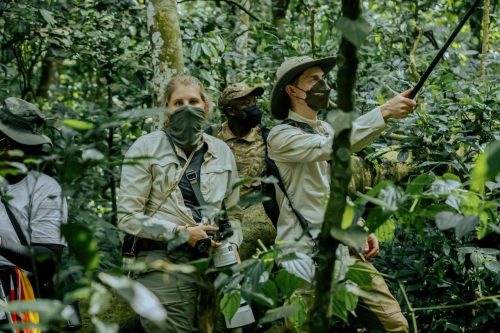
Uganda’s forests and national parks also provide opportunities for nature walks, primate tracking, and other outdoor activities.
Promoting adventure alongside wildlife allows Uganda to reach travelers who want active holidays rather than traditional sightseeing.
It also creates opportunities to extend travel itineraries. Someone arriving for a safari can add rafting, hiking, nature experiences, or cultural activities before returning home.
This combination of experiences can make Uganda attractive to travelers looking for variety and adventure within one African holiday.
Growing MICE Tourism
Meetings, Incentives, Conferences, and Exhibitions, commonly known as MICE tourism, are another area receiving increasing attention.
Business travelers attending conferences in Uganda may have opportunities to extend their visits with leisure experiences.
For example, a conference visitor in Kampala could add a safari, a visit to Jinja, or another tourism experience before or after a professional event.
This creates an opportunity to combine business travel with leisure tourism while increasing visitor spending.
The development of MICE tourism can therefore complement traditional leisure tourism. It can also introduce Uganda to professionals who may later return for holidays with their families, friends, or colleagues.
The Role of Digital Storytelling
Digital platforms have become essential to modern destination marketing.
Travelers increasingly use Google, YouTube, Instagram, TikTok, travel blogs, and online reviews when researching destinations. This creates a major opportunity for Uganda’s tourism industry.
Instead of simply telling travelers that Uganda is beautiful, digital storytelling can show them what it is like to trek through Bwindi, watch wildlife in Murchison Falls, search for chimpanzees in Kibale, experience the Nile in Jinja, or explore Uganda’s cultural heritage.
Search engine optimization is also important because travelers ask specific questions before booking.
They want to know how much a Uganda safari costs, when to visit, how difficult gorilla trekking is, which national parks to visit, what to pack, whether Uganda is safe, and how long they should stay.
Tourism companies that provide clear and useful answers to these questions can reach travelers during the research stage of their journey. Helpful content can build trust before a visitor ever makes an inquiry.
Bringing Government and the Private Sector Together
Successful destination marketing requires cooperation between different parts of the tourism industry.
Uganda’s tourism promotion involves government institutions, the Uganda Tourism Board, Uganda Wildlife Authority, diplomatic missions, tour operators, accommodation providers, guides, and other tourism businesses.
When these groups work together, Uganda can present a more consistent and recognizable image to international travelers.
Private tourism companies also play an important role because they are directly involved in turning destination awareness into actual bookings.
Tour operators can transform Uganda’s attractions into complete travel experiences that include accommodation, transportation, permits, activities, and professional guiding.
This connection between destination marketing and practical travel planning is essential. Travelers need inspiration, but they also need reliable services that can turn their plans into real journeys.
Why the Pearl of Africa Brand Matters
The Pearl of Africa brand gives Uganda a recognizable identity in the international tourism market.
Instead of promoting individual attractions in isolation, the country can connect them under one larger tourism story.
Bwindi becomes part of the Pearl of Africa experience. Murchison Falls becomes part of the same story. So do Kibale, Queen Elizabeth, Kidepo Valley, Jinja, the Rwenzori Mountains, and Uganda’s cultural destinations.
The strength of this approach is variety.
Travelers do not necessarily have to choose between wildlife, primates, mountains, rivers, adventure, and culture. With a well-planned itinerary, several of these experiences can be combined into one memorable journey.
This makes Uganda particularly appealing to travelers who want more than a traditional safari.
What Uganda’s Tourism Marketing Means for Travelers
For travelers, the growing promotion of Uganda means greater awareness of the country’s tourism possibilities.
Someone who previously knew Uganda mainly for gorilla trekking can discover that the country offers much more.
A traveler can begin with gorilla trekking and continue to Kibale for chimpanzee tracking, Queen Elizabeth for wildlife, Murchison Falls for game drives and boat cruises, or Jinja for adventure on the Nile.
This creates opportunities to design personalized holidays based on individual interests, available time, and budget.
Instead of following a single standard itinerary, travelers can combine experiences that match what they want from their trip. A wildlife enthusiast may prioritize national parks, while an adventure traveler may add rafting or mountain hiking.
What This Means for Tukumbe Tours and Travel
For Tukumbe Tours and Travel, the growing international promotion of Uganda creates an opportunity to help more travelers experience the full meaning of the Pearl of Africa.
Rather than focusing on only one attraction, travel packages can combine gorilla trekking, wildlife safaris, chimpanzee tracking, cultural experiences, bird watching, adventure activities, and scenic destinations.
This approach can also help travelers understand that Uganda is suitable for different types of holidays. Visitors can choose anything from a short safari break to an extended multi-destination adventure.
A professional local tour operator can help travelers choose suitable destinations, arrange transportation, secure relevant permits, select accommodation, and create an itinerary that makes the most of their time in Uganda.
For travelers who want to explore Uganda beyond a single attraction, working with a local operator can make the planning process easier while helping them discover experiences they may not have considered.
Conclusion
Uganda is marketing the Pearl of Africa by presenting the country as a diverse destination filled with wildlife, primates, landscapes, culture, adventure, conservation, and meaningful travel experiences.
Through destination branding, international tourism exhibitions, trade events, international roadshows, digital storytelling, sustainability messaging, and cooperation between public and private tourism stakeholders, Uganda is working to increase its visibility in the global tourism market.
The greatest strength of the Pearl of Africa is Uganda’s diversity. Travelers can experience gorillas in the forests, lions and elephants on the savannah, chimpanzees in tropical forests, adventure along the Nile, mountains in the west, and cultural experiences throughout the country.
For Tukumbe Tours and Travel, this growing interest in Uganda creates an opportunity to help more visitors discover the country through carefully planned safaris and authentic travel experiences.
The Pearl of Africa is more than a tourism slogan. It represents an invitation to explore Uganda more deeply and discover the many experiences that make the country one of East Africa’s diverse tourism destinations.
Request for A Free Trip Quote
We’d be delighted to help you plan your dream Uganda Gorilla Safari. Simply fill out the inquiry form below, and one of our safari specialists will get back to you with a personalized quote and expert travel advice.
For direct assistance, feel free to contact us by email at info@tukumbetours.com or connect with us on WhatsApp at +256752294116. We look forward to creating an unforgettable African adventure for you
6 Days Best Uganda Safari
A 6 days Uganda Safari is the perfect opportunity to explore the country’s diverse wildlife, stunning landscapes, and vibrant culture. Uganda is home to some of Africa’s most iconic wildlife

7 Days Best Primates Tour
A 7 days Best Primates Tour in Uganda and Rwanda offers the ultimate experience of tracking some of the world’s most famous primates, including mountain gorillas, chimpanzees

8 Days Best Uganda Safari
An 8 Days Best Uganda Safari offers a perfect blend of Uganda’s incredible wildlife, landscapes, and cultural experiences. From gorilla trekking in Bwindi and chimpanzee tracking in Kibale